
Local Search Engine Optimization Guide for Businesses
Written by 
For the vast majority of history, local business has been the only business. Most people couldn't get anything that wasn't sold at their local markets, and even those who could needed to send messengers and make orders with turnaround times of months or years.
Then, telecommunications happened. First, orders by telegram and mail-order. Later, phone orders. Then the internet.
With the internet, eventually, came internet storefronts. While many of the original internet stores were still "call us to order" advertisements, some started to spin up online ways to make orders, and the online store was born.
For a brief moment in history, it seemed like online commerce would overtake local commerce almost entirely. Companies like Amazon threatened to put bookstores out of business. But, of course, there's always the convenience factor, the impulse factor, and even the fact that sometimes you just really need to be able to see, feel, and examine a product before you buy it.
But that doesn't mean the internet doesn't play a role in local shopping. When someone wants to buy a product locally or sign up for a local service, they're still probably going to look online to see what's available. What stores sell these products? What businesses offer this service? How are they reviewed?
Search engine optimization (SEO) is the marketing necessary to show up in search engine results pages, and local search engine optimization is SEO specifically for local businesses. But how is it different from normal SEO, how does it work, and how do you make sure you're doing it right?
With good local SEO, you can grow rapidly and become one of the most sought-after businesses in your area. Without it, you might struggle and be left behind. With that much at stake, it's important to learn, which is why I put together this guide.
Key Takeaways
- Local SEO helps businesses appear in location-specific search results, preventing national brands from dominating searches for nearby services.
- Google ranks local businesses using three factors: relevance, distance from the searcher, and overall prominence including reviews and backlinks.
- Completing your Google Business Profile with accurate NAP information, business hours, and detailed descriptions is a critical local SEO priority.
- Specific, detailed customer reviews carry more ranking weight than generic ones, and businesses should actively manage reviews across all platforms.
- Over 80% of consumers research local products and services online, making local SEO essential for business survival and growth.
What is Local Search Optimization and How is it Different from SEO?
The goal of a search engine, from a user's perspective, is to find the best resource for answering a question they might have. Whether it's navigating to a specific website, getting driving directions, reading about how to accomplish a task, or comparing products, there will be resources on the internet to help, and they want to find them.
The goal of a search engine, from the perspective of the search engine, is to provide users with the best possible answer to the question they're asking. It might be the specific domain of the website, or the most efficient driving route, or a product comparison and review site, or a tutorial site.
For a lot of queries, regardless of who is asking the question, the answer is likely to be the same: a top-authority page that provides all of the relevant information. Search engines spend an immense amount of computing power to find and categorize every website they can, figure out how to determine which are the most valuable options, and surface those on top.
Things change, though, when you realize that people live places.
If you and I search for something like "local SEO guide for businesses", we'll probably find the same answers, and they'll be equally relevant.
But if you and I both search for lawn care services, we're going to have vastly different answers. After all, the chances that you're interested in a landscaping company based in Los Angeles are pretty slim.
Local SEO is all about those differences.
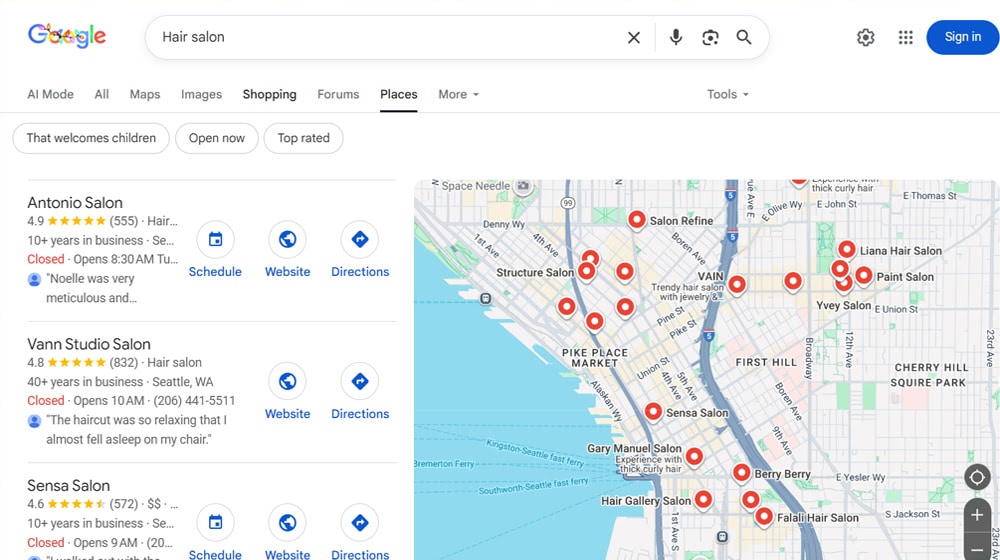
Search engines want to provide the best possible results for a query, and sometimes, that means knowing who is asking. Or, more relevantly, where they are. It's why, when you perform a Google search for something like lawncare or food, you'll get service providers or restaurants near you. That applies even if you don't specify where you are, because the search engines know, based on your IP address, your general location.
Local SEO focuses on identifying what the search engines use to determine relevance to a local area, and promoting those attributes to stand out in your area. While traditional SEO techniques still help, they can't do the job alone. Local businesses often wonder whether blogging fits into this strategy, and the answer depends on how well it's paired with location-specific signals.
In fact, local SEO is part of how search engines prevent global companies from outdoing local businesses. It's how local bookstores can still compete in a world of Amazon. Imagine if you did a search for lawn care, but all you got were the websites for John Deere and Husqvarna, because your local providers couldn't compete for visibility in search results. Awful, right?
Why Does Local Search Optimization Matter?
Local SEO matters a lot, but why it matters depends on the perspective.
To a search engine, local SEO matters because it wants to provide the most useful responses to a query, and that often means a local, not a national, answer. If the answers are subpar, people aren't going to come back and keep using the search engine. And, of course, there's a financial element; local businesses can pay for search ads for their area, and that gives the search engine money.
To a user, local SEO matters because you want to find results relevant to you. When you're trying to figure out where you want to eat for dinner, getting a list of the top Michelin-starred restaurants around the world only helps if you happen to live near one of them. Getting a list of local restaurants you could drive to is much more useful.
To the business, local results allow you to compete. It makes the internet a viable channel for marketing. If users could only ever find the national chains, there would be no point in making a website, or paying for ads, or using channels other than local radio, television, or print advertising and billboards.
Local SEO can be the difference between a business that fails and a business that succeeds. Over 80% of consumers perform online research for local products and services, and they expect local businesses to have a visible web presence, which means if you aren't working on local SEO ranking factors, you're losing out.

The good news is that the search engines want local businesses to succeed with local SEO, so you have numerous advantages over less-local businesses in the SEO arena.
How Does Local Business Search Engine Optimization Work?
Local SEO works by identifying how the search engines display your business in the search results and how they rank you compared to other local businesses. Then, it's a matter of emphasizing and improving those aspects of your business.

This is generally a three-pronged approach.
- Improving the technical aspects of your site to appeal to the search engines with valid metadata, appropriate site architecture, and so on.
- Improving the information visible on your site through content marketing, business information, and more.
- Improving the information available about you off-site, such as on business review sites and the Google Business Profile.
When you have a fast-loading, relevant, and useful site, and it can be tied to your location, you can show up in local search results. Local businesses need a solid web presence to be ranked well. Learn more about how we handle Google Local SEO and GMB management for businesses like yours.
What is the Role of Mobile Local SEO?
Certain kinds of web searches are performed much more frequently on mobile devices than on desktop devices. While the proportion in general is skewing more mobile as time passes, some things like food queries, local shopping, and navigation are very heavily skewed towards mobile devices.
Additionally, for several years now, Google has adopted what is known as "mobile-first indexing", which means the mobile version of a site is indexed and examined first, and is considered the more canonical version of a site.
For the most part, desktop SEO and mobile SEO are the same. The differences between them do stand out, though, and optimizing for mobile (sometimes even at the expense of desktop) can be greatly beneficial.
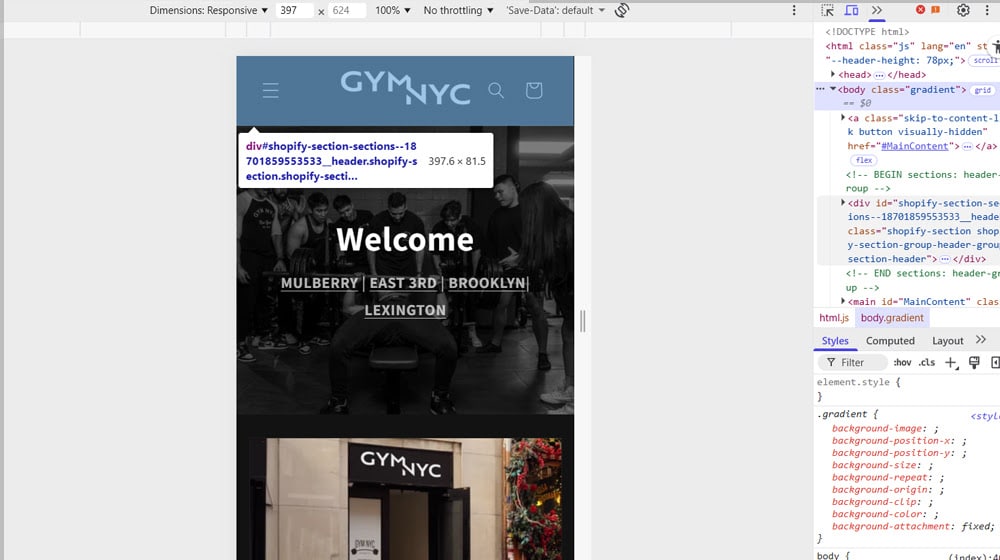
For some examples:
- Navigation. On desktop, you often have a broad top-bar menu with drop-downs showing a lot of information. On mobile, you have a burger menu with nested sub-menus, reducing navigation to a tool rather than part of the advertising. Adding a blog link in your nav bar is one way to make the most of that limited mobile menu space.
- Sizing. Images display smaller while text displays larger on mobile. Where one visible part of a desktop page can display an entire section with half a dozen paragraphs, mobile might only show a few dozen or a few hundred words at a time.
- Spacing. One big element of mobile versus desktop is how precise you can be with desktop. Mouse pointers are single pixels and can click on small elements, while a touchscreen requires a tap and can't be that precise. One of Google's big mobile optimization tips is to make sure clickable elements are separate enough that you can't mis-tap and go somewhere you didn't want to be.
Different devices, different modes of interaction, different needs, but the same underlying content and information. It's as much in presentation as it is in the information itself.
Google even offers a tool called Lighthouse for evaluating the mobile-friendliness of a website, which you can use to benchmark your performance. You may also want to check your site with an image SEO checker to ensure your visuals are properly optimized for mobile users.
Local Search Engine Placement and Ranking Factors
Where do local results appear in the search results, and what are the ranking factors used to determine whether or not you get that display?
Placement in Local Search
Local businesses get placement in areas that non-local businesses generally don't.
The biggest of these is the "local 3-pack." When you search for something with local results, Google embeds its own glimpse into Google Maps, with three of the most relevant results featured, along with the option to click through and explore more.
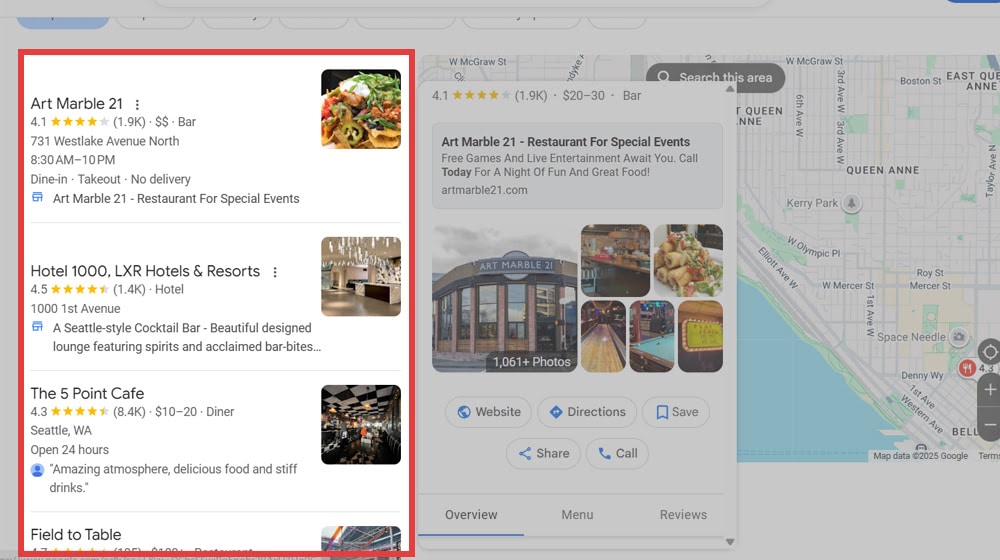
This is intimately tied with Google Maps itself. Users can search for many of the same queries directly through Google Maps, and similar results (with more geographic precision due to GPS location data) will appear.
Organic search results are also a key part of local placement. The most relevant local businesses for a given query can show up at the top of the results, above national brands, aggregators, business profiles, and sites with far more SEO clout.
Some resource guides for local SEO will also tell you that paid advertising is part of local placements. While local searches get local ad results, paid ads aren't really part of SEO, so they don't really fit. However, many of the factors that go into better local SEO also make local ads cheaper and more relevant, so there's some crossover.
Local SEO Ranking Factors
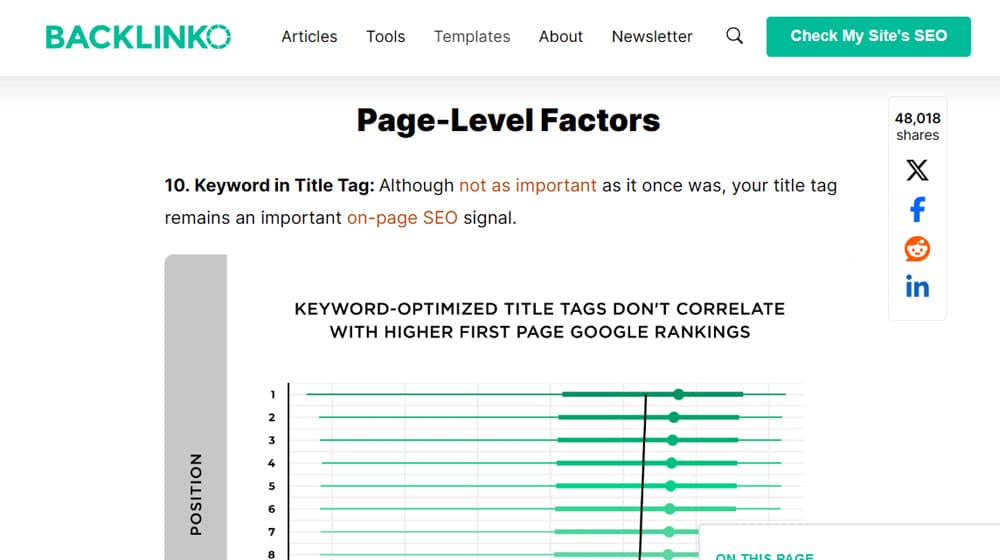
Pretty much all standard SEO ranking factors apply to local SEO, but some of them are worth mentioning specifically as they're given more weight for local queries, and there are some local details that are given added weight that aren't part of standard SEO.
Google defines three categories of information it uses to evaluate and rank local businesses.
- "Relevance. Relevance is how well a Business Profile matches what someone is searching for. To help Google better understand your business and match it to relevant searches, provide complete and detailed business info.
- Distance. Distance refers to how far each business is from the customer who is searching. If a customer doesn't share where they are, Google uses what it knows about their location.
- Prominence. Prominence means how well-known a business is. Prominent places are more likely to show up in search results. This factor's also based on info like how many websites link to your business and how many reviews you have. More reviews and positive ratings can help your business's local ranking."
Talking about these categories in generalizations is useful, but less helpful than a more tangible list of ranking factors, so consider:
- Updated and consistent business information. This includes NAP (Name/Address/Phone) information. It also includes potentially relevant information to consumers, such as details like minority or veteran ownership, accessibility, parking, WiFi, and other information. Business hours are also very important.
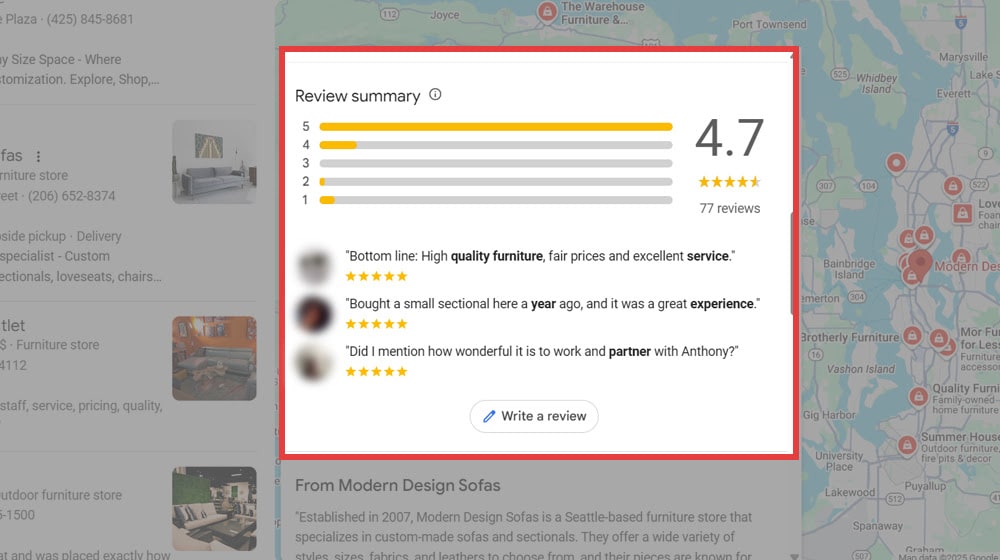
- Positive reviews. While this is mostly centered on reviews directly on Google, they can also take into account the volume and positivity of reviews on third-party sites like Yelp or TrustPilot. Review quality can also be important; a review that discusses specific information about the business will be more valuable than one that just says "I liked it", because the former is harder to fake. You might also consider importing reviews from different platforms to consolidate your social proof.
- Structured data. Schema.org markup provides a ton of useful metadata to Google and the other search engines, and they can use that information to more appropriately serve your business to the people who most need to see it. You can also use a Schema Markup Validator to make sure your structured data is implemented correctly.
- Locally-valuable content. There's a world of difference in utility between writing content that is generically useful and writing content that is specifically useful. A pest control company writing guides to dealing with pests that aren't present in the area, for example, doesn't do them any good.
- Locally-relevant backlinks. Backlinks have always been a key part of SEO, and local SEO is no different. The quirk here is that a backlink from a locally prominent publication - much like editorial links - can be worth more than its nominal SEO weight would seem to other local businesses.
Now that you have a decent idea of what matters, what strategies can you use to improve local business visibility with local SEO?
Local SEO Strategies to Improve Business Visibility
There are a lot of things you can do to improve local SEO and performance. Some of them are one-and-done optimizations, while others are ongoing parts of your marketing. I've put together the top strategies to implement to get the most bang for your effort. Note that these are the locally-focused strategies only; traditional SEO is also important, but not covered here.
Register and Fill Out Business Profiles
Business profiles are one of the most important elements of maintaining a modern web presence. Having a website alone isn't impactful enough.
The most important of the business profiles is the Google Business Profile, and its counterpart, Bing Places for Business. Fill out everything you can, from your NAP information to your business hours and categories, to a plaintext description of your business and services. Every field you can put relevant information in, do so.
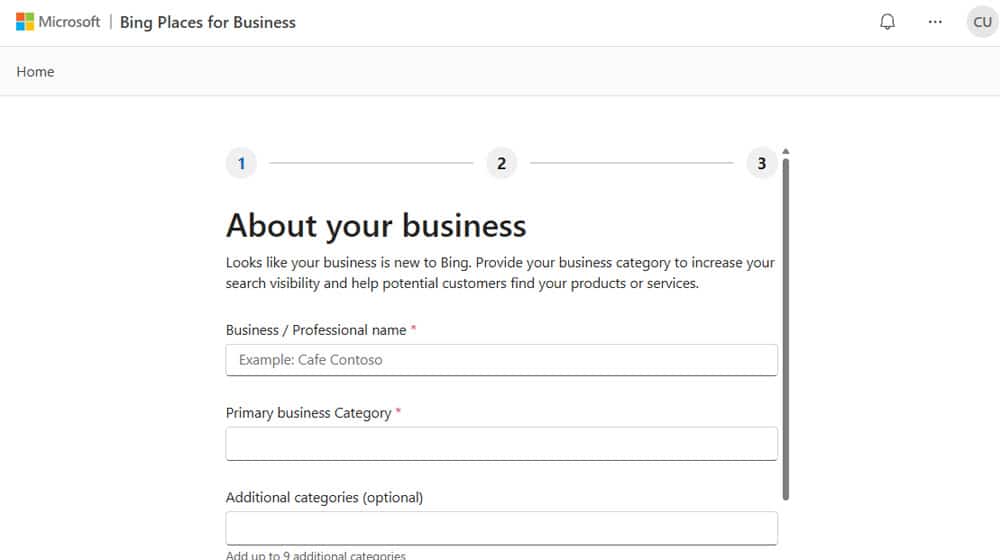
Tip: Make sure to come back to this profile at least quarterly, if not monthly or even weekly, to monitor and adjust data. Keeping your profile active is also a small element of relevance for ranking.
Beyond those two business profiles, you should also claim your profile pages on review aggregator sites relevant to your business. Sites like Yelp, TrustPilot, and YP are all broad-spectrum service aggregators. There are also frequently industry-relevant aggregators that work the same way.
Any time you think your users will look at one of those sites, make sure you have a business profile claimed and updated on it.
Properly Gather and Manage Reviews
Reviews are critical for local marketing. You want more positive reviews and fewer negative reviews, of course, but you can't just go and buy a bunch of fake reviews.
When soliciting reviews from happy customers, encourage them to write something specific they liked. More specific reviews are given more weight than generic reviews.
When fake reviews come in, positive or negative, report and get them removed. Don't just report negative reviews, or it can look bad.
Respond to all reviews, positive or negative, with appropriate and engaging responses. Avoid copy-pasted templates or identical messages for every response, when possible.
Generally, you want to adopt this habit of managing reviews wherever those reviews are posted. If there's a significant difference in reviews and ratings between sites, it can be an indication of false review activity and drop trust in your business. You can use a review schema generator to help structure your review data for search engines as well.
Implement Structured Data
Local businesses are able to take advantage of a lot of useful structured metadata via Schema.org that national and generic businesses cannot.
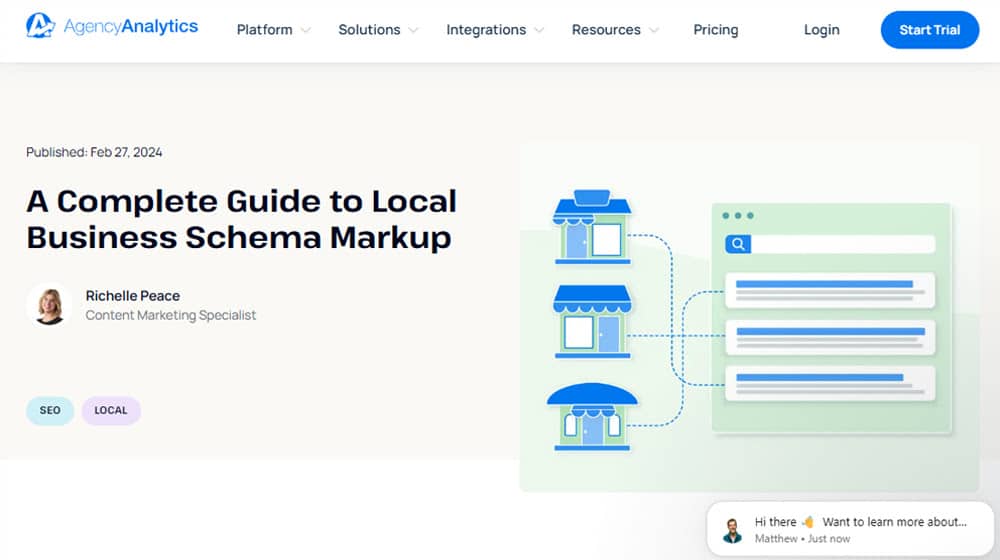
There are a lot of specific elements to this, and the implementation can be fairly technical, so it's worth reading and following a dedicated guide to local Schema markup. Tools like an entity SEO schema markup generator can also simplify the process.
Create Locally-Focused Content
Content marketing is a key part of SEO, local or otherwise. The benefit of local content is that you can make references to local elements of culture, use local language, and talk about local events and occurrences to lend further value to your content.
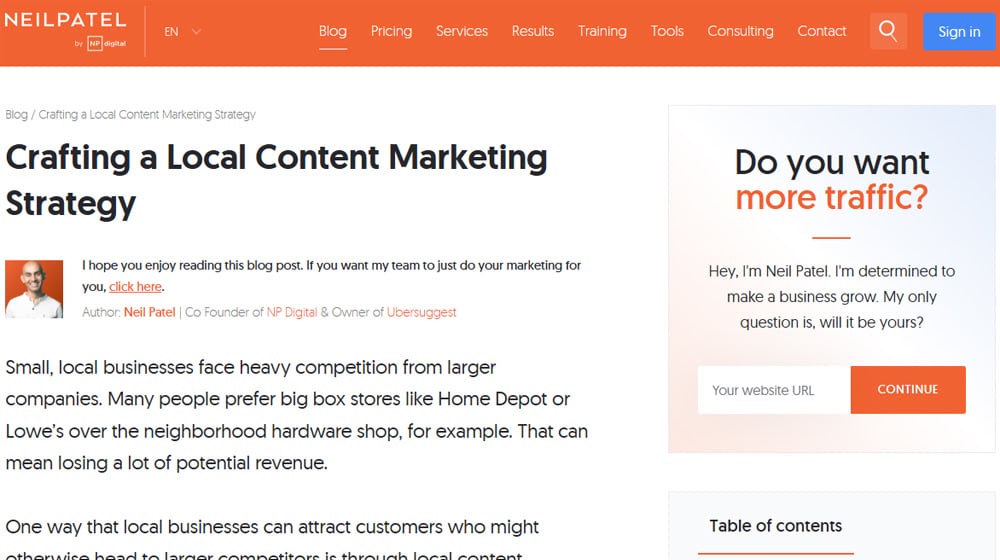
Even small details like colloquial names for neighborhoods, zeroing in on specific regional quirks, and even the choice of language for referencing local services can be potent. It can help a lot to hire a professional content production company that specializes in local content, but even just providing a local content brief to remote writers can do a lot.
Build Links from Relevant Local Publications
As mentioned, backlinks are central to all SEO, local or otherwise. Identify local publications, such as newspapers, city and municipality business listings, local bloggers, and others who can feature you, and reach out to get your information on their site.
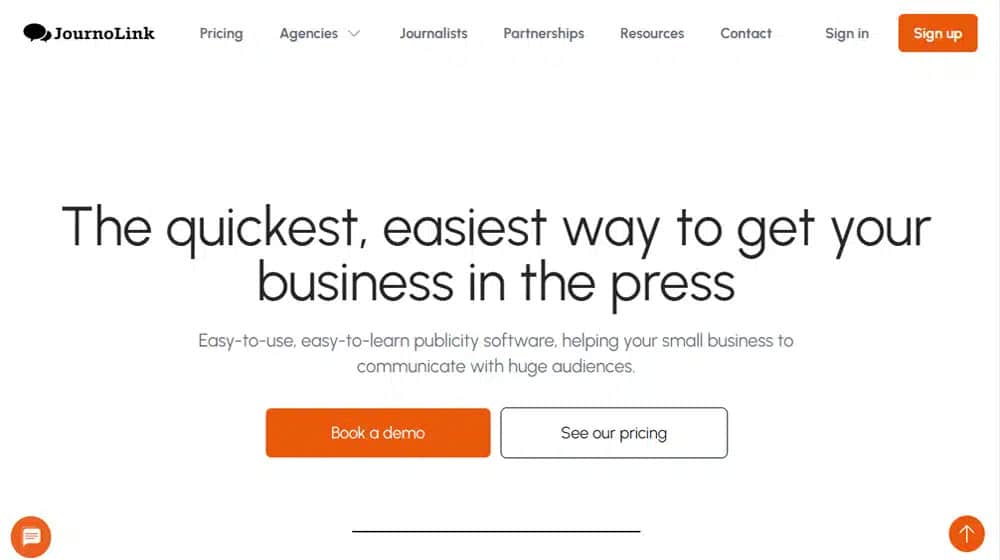
There are a lot of ways to build these kinds of links and citations, so don't be afraid to try different methods, network with local content creators, and generally explore your options. Tools like JustReachOut can also help you build new backlinks from relevant local sources.
How to Track and Measure Local SEO Results
Tracking the results of local SEO efforts can be done in many different ways.
- You can monitor your backlinks and count a boost every time you get a new local citation.
- You can watch for reviews and track review volume and sentiment.
- You can monitor your clients or customers and track standard business metrics like orders, cart value, and repeat customers.
- You can monitor traditional website metrics like number of visitors, time spent on site, and bounce rates.
- You can track your search ranking for your primary service keywords.
- You can monitor your local pack results using geographically relevant IP addresses to see if you're in the 3-pack.
While cobbling together the data on your own is certainly possible, the easiest option is to use one of the many platforms for tracking local results that has all of that information built in.
Localo offers a free local rank checker, which can be used to track the visibility of a Google Business Profile.
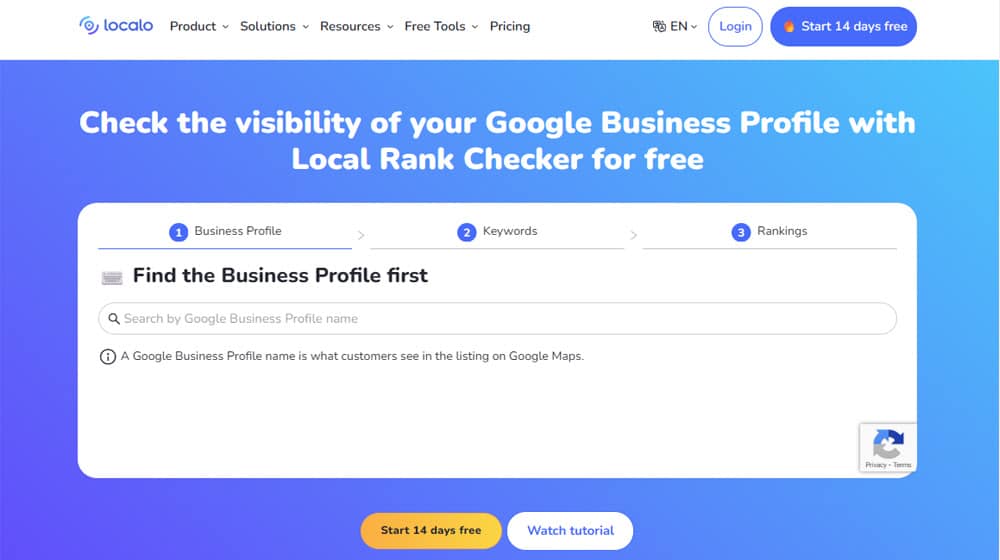
Local-focused marketing platforms like BrightLocal help map and monitor your visibility from IPs all around your area, and track relevant metrics like call volume, review ratings, and more.
Overarching SEO tools like Semrush offer local-specific features like Map Rank Tracking and listing management, alongside generically-useful SEO tools that can help with non-local results as well. You can also use AI marketing tools to supplement your tracking and reporting workflow.
Local SEO is usually softer than non-local SEO, but more and more businesses are waking up to the reality that local SEO is required in the modern business environment, so competition is growing. Get started now to make sure you have as much runway to fly as you can get.

Written by James Parsons
Hi, I'm James Parsons! I founded Content Powered, a content marketing agency where I partner with businesses to help them grow through strategic content. With nearly twenty years of SEO and content marketing experience, I've had the joy of helping companies connect with their audiences in meaningful ways. I started my journey by building and growing several successful eCommerce companies solely through content marketing, and I love to share what I've learned along the way. You'll find my thoughts and insights in publications like Search Engine Watch, Search Engine Journal, Forbes, Entrepreneur, and Inc, among others. I've been fortunate to work with wonderful clients ranging from growing businesses to Fortune 500 companies like eBay and Expedia, and helping them shape their content strategies. My focus is on creating optimized content that resonates and converts. I'd love to connect – the best way to contact me is by scheduling a call or by email.





Comments