

What Are The "5 Ps of Marketing"? (With Examples)
Written by 

Every so often, people come up with a new idea, a new framework, or a new way of classifying information or thought. These new frameworks tend to be used for a common purpose, so you see a lot of competing structures, all of which are (more or less) equally valid for their intended purpose.
One such framework in marketing is called the 5 Ps. It's named because it breaks down the flow of marketing across five categories of information, each summed up by a word that starts with P.
Since looking at things in different ways can be valuable even if you don't adopt the framework as a primary school of thought, I figured I'd take a look at this one.
Which Five Ps?
The first hurdle, though, is to define which five Ps we're talking about.
In this case, there are two relevant versions worth considering, so I'm going to talk about both of them. There's a little overlap, though, so there are actually a few more than five Ps to talk about.
The Five Ps of Marketing
The first of the frameworks, and the one more broadly known, is the general Five Ps of Marketing. I say general because it applies to broad business marketing, rather than the narrower content marketing I'm usually focused on.
There's a lot of history here. In fact, it wasn't even originally five Ps. It was four!
The original four Ps of Marketing were created all the way back in the 1940s, at least, with the earliest known mention coming from James Culliton, a Harvard professor.
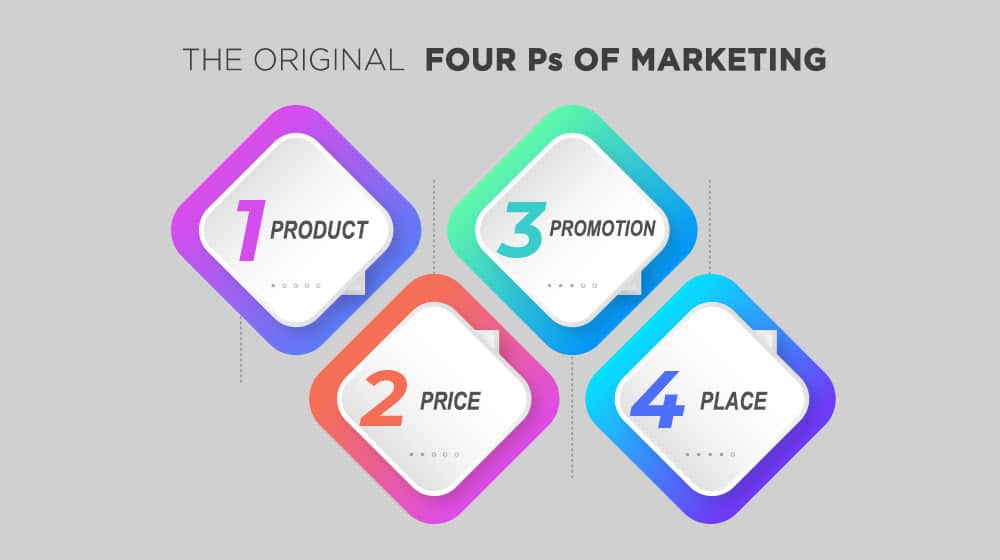
His four Ps were:
- Product: Information about the product on offer, including the niche it fills, functionality, and design details.
- Price: The price point for the product, in comparison to its competitors.
- Promotion: How the unique selling points of the product are conveyed to the public.
- Place: Considerations about the manufacture, distribution, and fulfillment of the product, getting it into the hands of customers.
This was known at the time, and is even still known today, as the Marketing Mix.
The Eight Ps of Marketing
Well, it's been 85+ years since then, and you can bet a lot of people have put their own twists on the Ps as well.
Several different people have added more Ps to the mix, expanding it to five Ps, then seven Ps, and then to eight Ps. Even then, if you look up the 8 Ps of marketing, you'll get different lists.
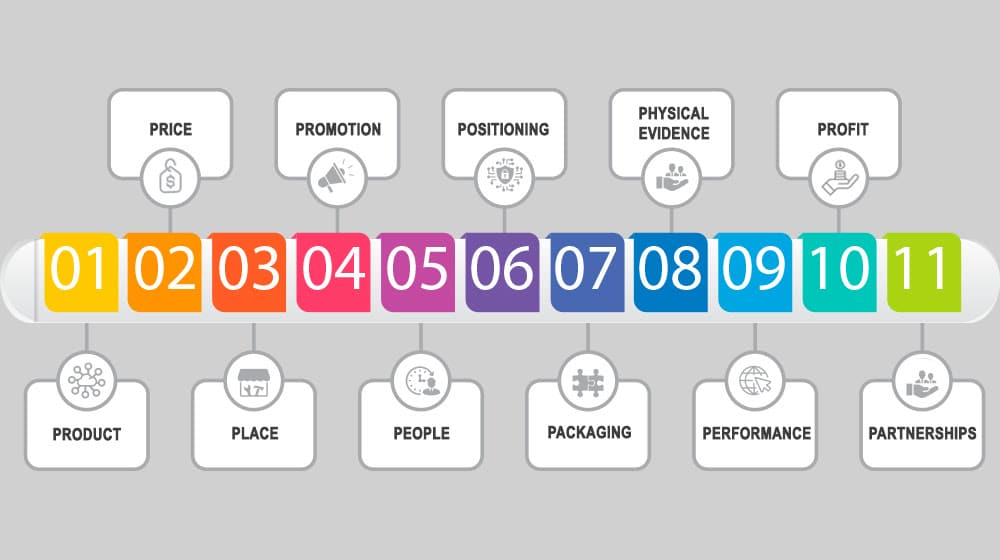
What you end up with, if you go with all of them, are:
- Product: Information about the product on offer, including both the tangible aspects and any intangible elements of it as an offering.
- Price: The price point for the product, the pricing model, whether or not you're trying penetration pricing or other price-based strategies, or basing price on costs.
- Place: Information about the manufacture, distribution, and fulfillment of the product. Where and how is it bought or sold? Is it a one-time product, a recurring product, a service, or an experience?
- Promotion: Marketing in a nutshell. How do you reach your potential customers with information about your product?
- People: First of the Ps to be added to the original four, this is actually not about your customers. Instead, it's about your marketing team. What do your people think about your product? Their opinions (and enthusiasm, or lack thereof) will tint the marketing efforts you push.
- Positioning: With some overlap with Product, this is an analysis of where you are positioned in your market. What sets you apart, and to whom?
- Packaging: What form does your product take, how is it handled, how is it displayed on a shelf? First impressions matter, and those first impressions are, often as not, the outside of a box.
- Physical Evidence: The odd one out, this is actually just Packaging renamed in some frameworks.
- Performance: A post-hoc analysis. What are the results of your marketing efforts, from profits to reputational gain and market positioning?
- Profit: Another way of looking at Performance, though usually more focused on purely financial outcomes.
- Partnerships: Who can help you succeed in business? Are there other businesses to partner with? Can you network with key investors, influencers, or other individuals to make the magic happen?
Well, that sure is a lot of P. But that's just the first framework; what's number two?
The Five Ps of Content Marketing
Content marketing is itself something that can fit into a couple of the primary Ps of marketing. But if you're trying to think about your goals and methods for content marketing itself, several of the Ps don't really fit. So, a twist on the five Ps is the five Ps of content marketing.
The good news is, there's some overlap here. The bad news is, just like the normal marketing mix, there are different variations of the five Ps according to who is telling you about it.
So, initially, you still have Product, People, and Promotion.
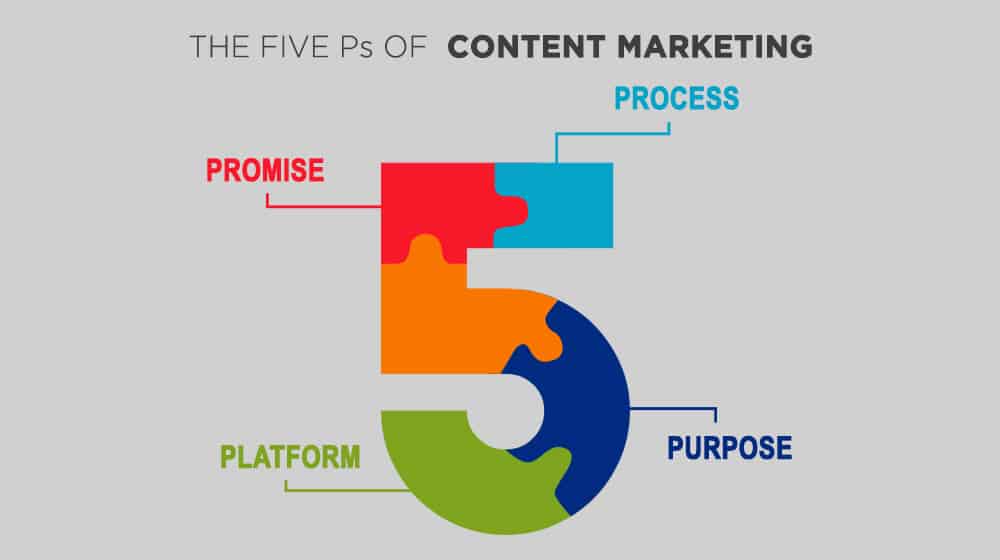
Beyond that, though, you have a few new Ps:
- Promise: This is your value statement, your vision, your goal. It's what you're promising, via your content, that customers can get out of your business.
- Process: This overlaps a lot with Place. What is your process for creating marketing material? How can you streamline and optimize the process without sacrificing quality?
- Purpose: When looking at each individual element of your marketing, what is the goal of that piece? Is it informative? Is it meant to inspire conversions?
- Platform: What is the platform you're using for this marketing effort? Paid ads, blogging, outreach, video, and radio; the choice of venue matters.
I'm sure if you go looking, you can find more add-ons from other spins on the framework. I'm equally sure there are other frameworks for other aspects of marketing and business. I'm not going to dig into every one of them, though.
A Closer Look at Each P
Rather than the top-down view, let's look at how the Ps can work at ground level. How do they actually work, what do you think about, and what do they look like in action?
Product
Every element of a product is enumerated here. An iPhone has a million details to consider: the size, the screen quality, the battery life, the processor, the camera, the available colors, the preinstalled software, carriers, connection speed, and on and on.
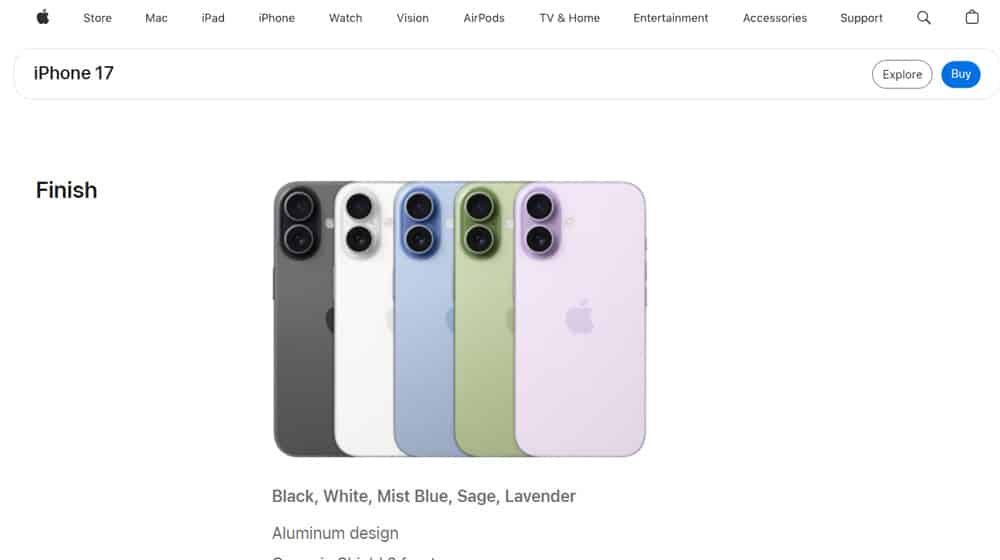
A consumer-focused spec sheet has hundreds of data points, and you can bet their internal ones have much more.
Price
How much does the product cost?
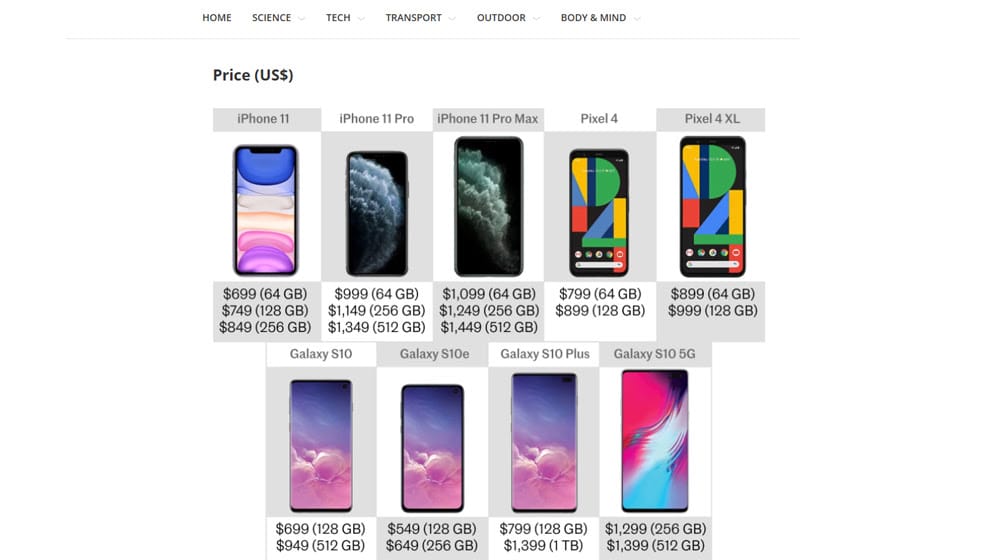
Okay, it's not that simple. Price is about more than the number of dollar bills that are deducted from one bank account and added to another.
- It's about payment options. Is it a one-time fee, an annual fee, or a subscription? Is it available in installments?
- It's about comparisons. How does the iPhone's pricing stand up against a comparable Pixel or Galaxy?
- It's about a statement. Is the pricing low or high? Does a high price scream scam or luxury? Does a low price scream bargain or cheap?
- It's about add-ons. Sure, you can buy the phone and go, but are you expected or encouraged to buy more besides? What about the case, a screen protector, a stylus, a pop socket, a charging cable…
- It's about trust. Is there something backing up the price, like a warranty or guarantee? Is there price matching for resellers and merchants?
Price has a lot to consider, and you need to spend time thinking about what your price point says, who it encourages to buy, and who it alienates. Apple has positioned itself as a higher-priced luxury brand in comparison to others, and that's meaningful.
Promotion
Promotion encompasses all of the different ways marketing can be handled.
For a company like Apple, every channel is available. From blogging to videos to Super Bowl ads to billboards to cereal tie-ins to mass mailers and beyond, they have the money, talent, and wherewithal to use any and all of them.
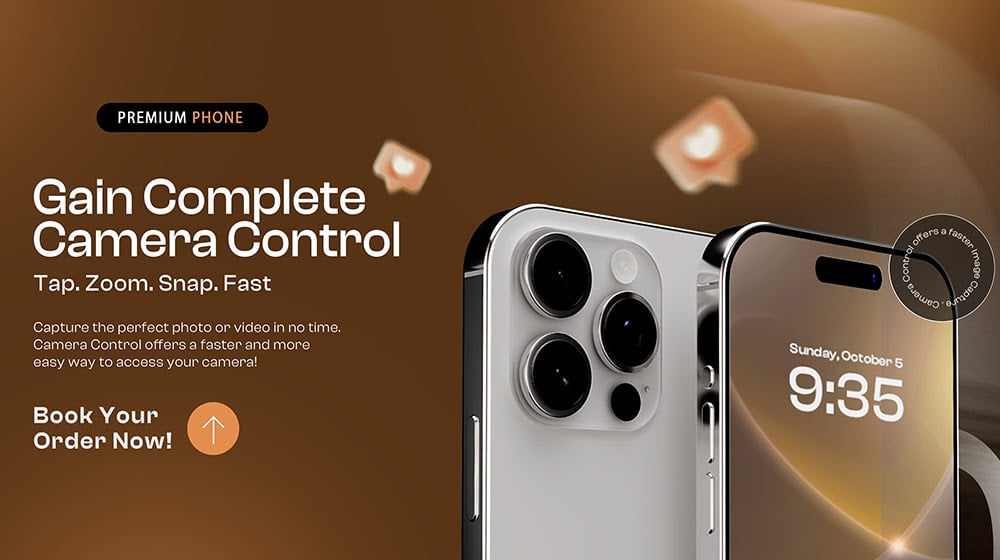
Yet they don't. There are certainly venues where you don't expect to see an ad from Apple, and in fact might be hesitant to believe it if you did. If you got a flyer in your mailbox for the new iPhone, you'd probably wonder why they're desperate enough to waste the paper, right?
The choice of channel, and how it's used, affects the company. You have to choose which channels to use, how to use them effectively, and whether or not using them reflects upon you.
Place
Place encompasses several aspects of business, which aren't always necessarily part of marketing, but nevertheless reflect some aspects of it.

These aspects include:
- Manufacturing. Where is your product made? This can be reflected in marketing in some ways, such as "Made in the USA" labeling. You might also be able to use elements of ethical manufacturing, such as Fairtrade.
- Distribution. This is one of the more minor elements of the Ps, but it can still have an impact, particularly when you consider modern options like digital products.
- Fulfillment. Digital distribution, in-store pick-up, retail shopping, direct online purchasing, reseller purchasing, all of this are meaningful. How you get your product in the hands of your customers is impactful.
Place might not feel like it has much to do with your marketing directly, but some elements of it can be promoted through your marketing, and others may need to be reinforced.
People
In the 1940s, People wasn't even in the four Ps. In the 1960s, it was considered innovative to start thinking about your employees as having any say in the process at all. Today, we might think of it as obvious that a salesperson who doesn't believe in your product isn't going to be an effective ambassador compared to one who does, but that was new insight back in the day.
Let's not go too far, though; People is still about your people, the people making the sales, the people writing the content, the people serving as brand ambassadors and influencer outreach teams and all the rest.
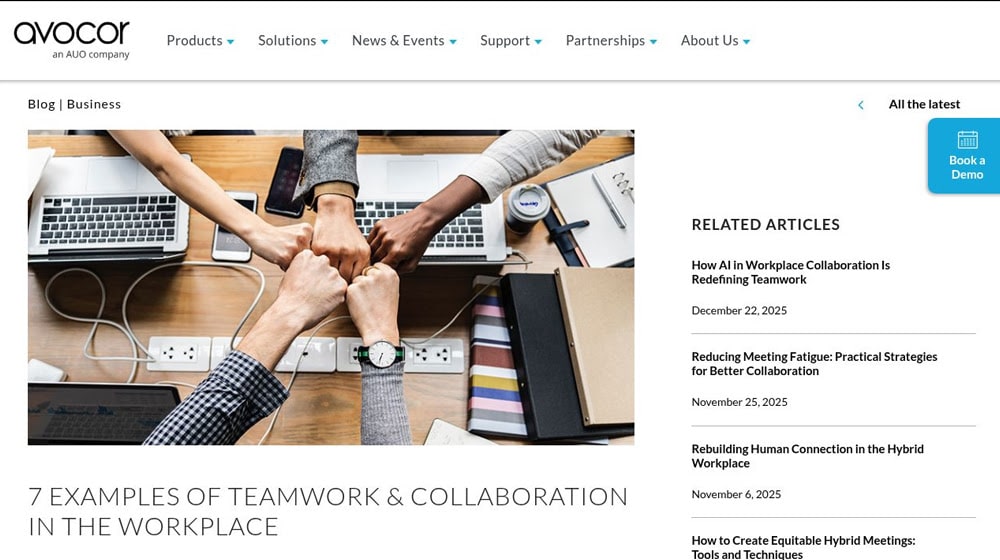
Charitably, using People allows you to think about how people can serve your marketing efforts beyond just being customers. It considers the potential sponsorships and vectors you can use to get the word out about your products, from people who are more trustworthy than a banner ad.
Positioning
I've touched on this in a few places already. How do the other elements of the Ps position you within your market? More importantly, where are you aiming to reach?
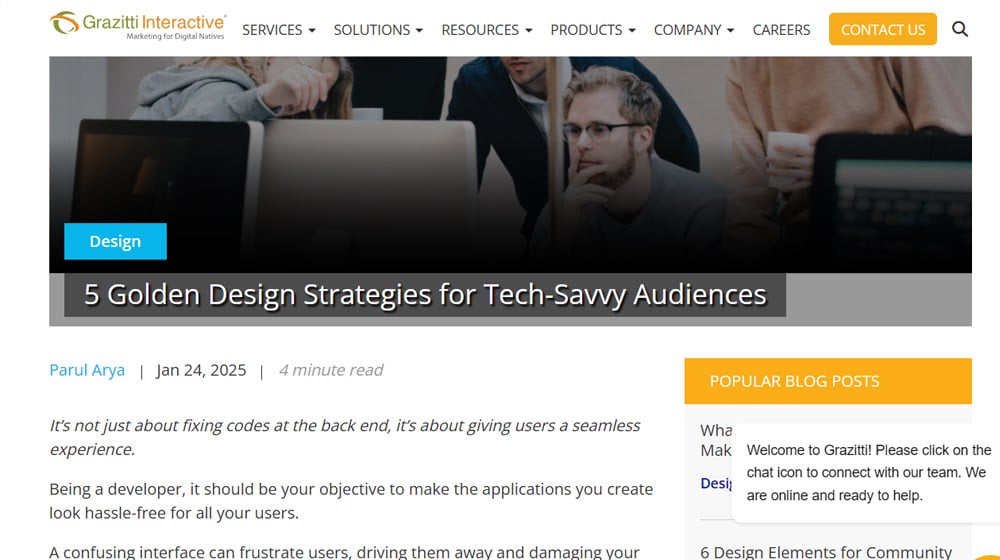
Do you want to be the cheaper and more affordable alternative? The luxury version? The working man's version? Are you aiming for a tech-savvy audience or the averse? All of these questions help you determine what the answers should be to other elements of the Ps.
Performance
How well is your marketing performing? Consider your profit and loss, consider your intangible growth, consider your market saturation, reputation, and conversion rates.
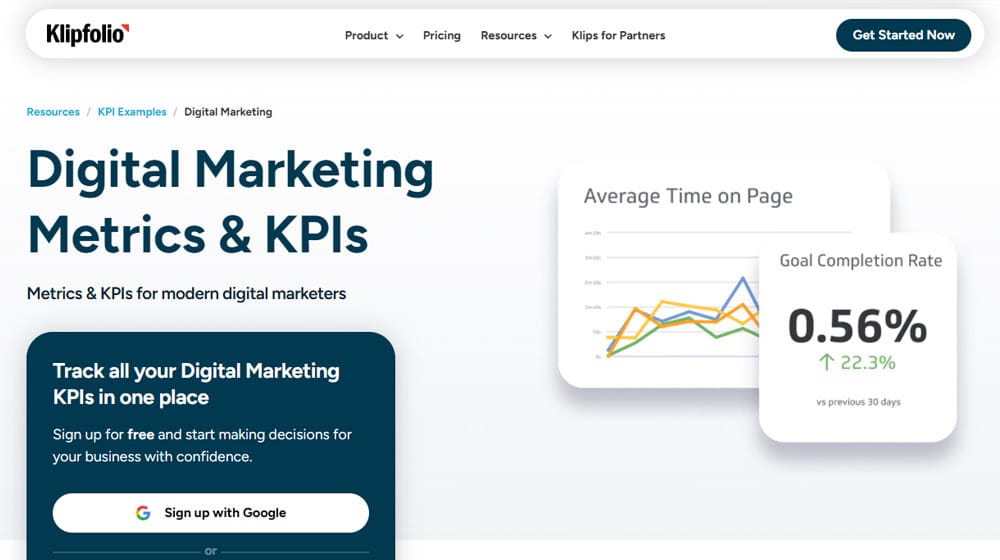
It's a little pithy to sum up the whole of analytics and data-driven decision-making by calling it "performance," but that's really what this element is. Part of marketing is watching how it works, identifying what doesn't work, and iterating.
Partnerships
You could consider this a subset of people, truthfully.

Partnerships are the people and businesses you can connect with to gain an advantage in some way.
- Other blogs you could guest post on.
- Websites you can sponsor content on.
- Influencers you can work with to promote your brand.
- Investors you can attract to earn more money.
- Complementary businesses you can work with for bundles and team-up products.
Whether it's reaching out to a podcast to get an ad read, giving products to an influencer to get a video, or winning over Mark Cuban for a 10% stake in the company, partnerships can rapidly accelerate the viability of a business.
Process
Process is all about examining the way your business does things and figuring out ways to do it better, do it cheaper, or do it more effectively. It's also about figuring out how to do that without sacrificing something important.
For content marketing specifically, process might involve developing a content brief to speed up consistent writing, hiring graphic designers to outsource your image creation, or even just knowing when enough is enough and when it's time to hit publish instead of agonizing over more details.
Purpose
Purpose is important for content marketing, down to a granular level. Obviously, the overall purpose of any marketing is to sell more of your products, but you can examine the purpose of everything. What is the purpose of your blog? What is the purpose of the post you're working on? What is the purpose of the headings you write? What is the purpose of the choice of words you use? All of this can be meaningful.
Realistically, you aren't going to be interrogating your word choice. You'll figure out what the purpose is for a given post, and write it using techniques and tools you know that reflect that purpose.
More Ps Where Those Came From
There are thousands of words that start with the letter P, and while you're pretty unlikely to find a marketing guide that lists something like "pentafluorethyl" as one of the core Ps of marketing, the fact is that these frameworks are just a way of breaking down different aspects of marketing with catch lists of words that share a letter. It's more of a mnemonic than a true source of value.
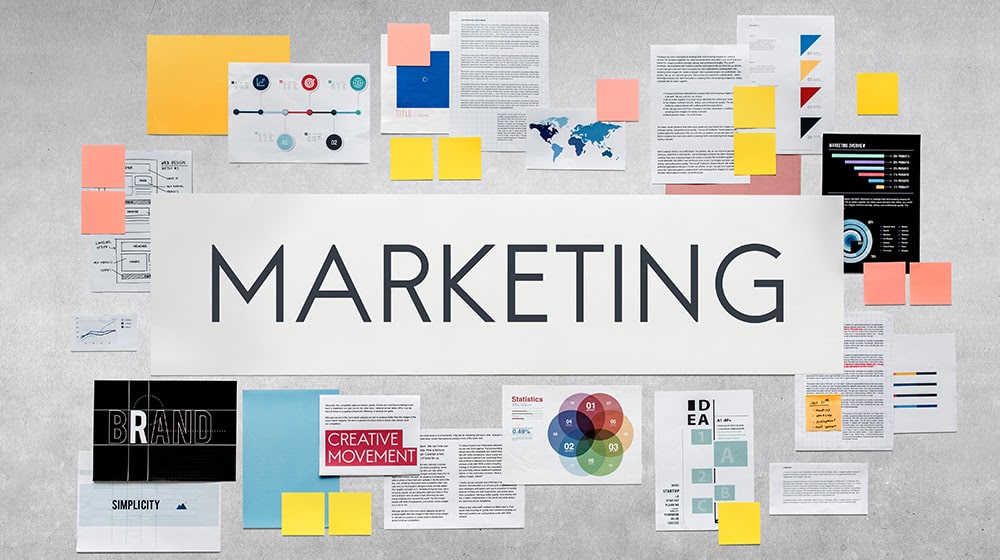
So, I ask you: if you had to add a P to the list, which one would you add that covers a gap that wasn't addressed in one of the Ps above? I have a few ideas of my own, but I'm curious what you have to say.

Written by James Parsons
Hi, I'm James Parsons! I founded Content Powered, a content marketing agency where I partner with businesses to help them grow through strategic content. With nearly twenty years of SEO and content marketing experience, I've had the joy of helping companies connect with their audiences in meaningful ways. I started my journey by building and growing several successful eCommerce companies solely through content marketing, and I love to share what I've learned along the way. You'll find my thoughts and insights in publications like Search Engine Watch, Search Engine Journal, Forbes, Entrepreneur, and Inc, among others. I've been fortunate to work with wonderful clients ranging from growing businesses to Fortune 500 companies like eBay and Expedia, and helping them shape their content strategies. My focus is on creating optimized content that resonates and converts. I'd love to connect – the best way to contact me is by scheduling a call or by email.







Comments