

What Are the Best AI Marketing Tools? (By Category)
Written by 
AI is shaping up to be a very controversial technology. All around, there are executives, marketers, entrepreneurs, and more who swear by it. At the same time, more and more companies that invested heavily in AI are finding it to be a bad deal. That's not even getting into ethics, copyright, and the environment.
One of the issues in play here is that "AI" isn't really just one thing. In fact, it's a whole lot of different things.
- AI is machine learning cranked up a notch, with deep data analysis and useful predictive outputs.
- AI is content generation, trained on the output of human creativity and producing a shallow mimicry of what it saw.
- AI is existing tools, largely unchanged, but with some sparkle graphics and AI-powered branding.
- AI is fraud, vast crowdsourced labor under a shroud like a mechanical Turk.
The people who like using AI tools in their daily workflow, the people who buy into AI to power their companies, the megafirms dumping billions into AI datacenter roll-outs, and the undercurrent of fraud and shovel-sellers all muddle into one nebulous cloud, and it's difficult to tell what is what without going really deep into it.
All of this is to say: AI isn't good or bad, because what some people talk about as AI isn't what others are referencing. Most of the contentious issues with AI center around generative AI (or scams, of course), while most of the reliably useful AI tools are more akin to machine learning, limited data analysis, and previously-extant services with a new coat of paint.
What I wanted to do today is put together a list of AI tools that are genuinely useful. These aren't just reskins for the ChatGPT API or an agentic access to Claude; these are narrow, focused, useful tools for businesses and bloggers making use of everything from enhanced machine learning to cutting-edge AI technology.
Disclaimer: The AI landscape is changing rapidly, and some signs are pointing to the bottom dropping out of a lot of it in the relatively near future. It's certainly not going to go away, not entirely, but any number of these tools could evaporate in the next year, and it wouldn't leave me feeling surprised. So, if any of these have rebranded or disappeared since I wrote this, feel free to let me know in the comments.
So, let's get digging in and explore what's out there.
Descript
Video is increasingly prominent in marketing. For real this time, we're not falling for Facebook 2.0 here. YouTube Shorts, TikTok, and other platforms are prevalent across the age spectrum, and video marketing is quickly becoming essential.
The trouble is, video editing is hard. It's historically very intensive on computers, and it's unforgiving when managing audio tracks, video tracks, effects, transitions, and all the rest.
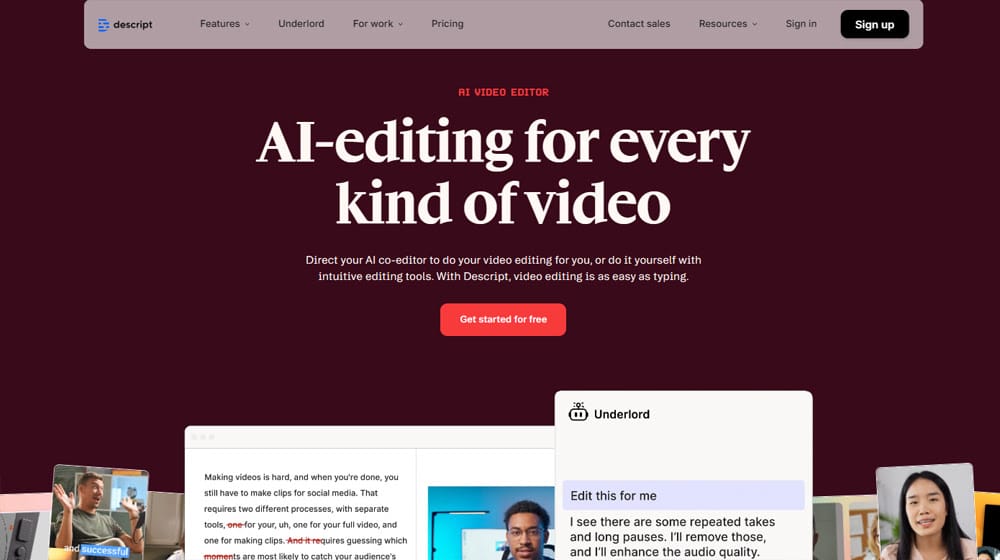
Descript is an AI-powered video editor. It has generative features, but that's not what I'm most interested in. The best feature is the edit-by-transcript, which is extremely cool. You drop in a video, it generates a transcript, and then you can edit the transcript. Want to remove a sentence? Just cut it out, and Descript cuts out the corresponding section of the video.
Clearscope
I've been a fan of Clearscope since before AI hit it big. They've been one of the leading tools for search engine optimization recommendations, alongside competitors like MarketMuse. Adding AI to it just enhances what it was already doing.
So, what is it doing? A lot, actually, but the most useful feature to me is optimization. You feed in text, and Clearscope gives you data-driven suggestions for how you can make it more attractive in the search results. This aims both for the AI Overviews and for human attraction, and captures search engine interest along the way.
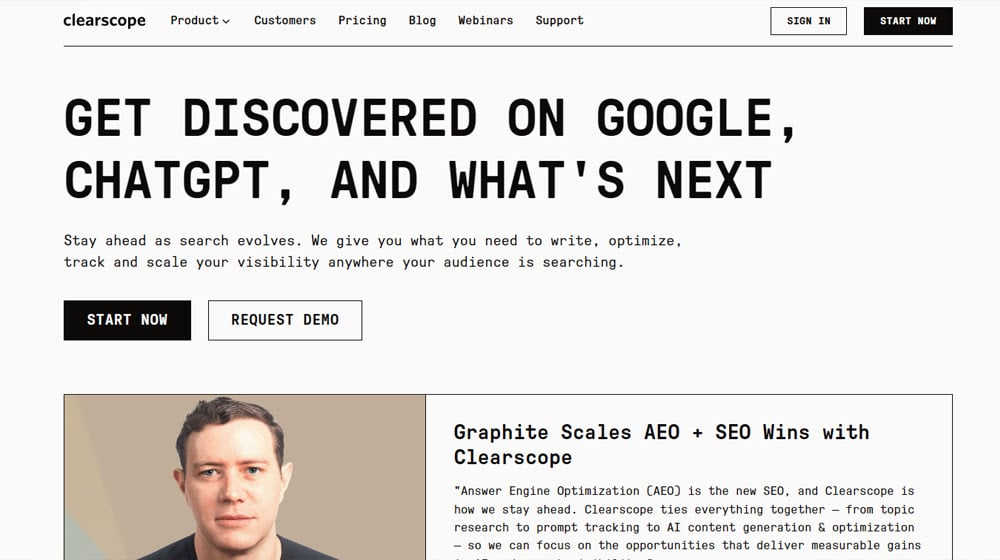
Some of the other handy tools include a localizer that lightly spins content with a local focus, a link engine that helps you build internal links automagically, and a discovery tool that helps you identify high-value topics to target.
SurferSEO
SurferSEO is a similar tool to Clearscope and its ilk, but with more depth and more AI integrations. If you want, you can use it more or less like a non-AI SEO platform with checklists and optimization suggestions. Or, you can go all-in with everything from AI-driven topic ideas to content generation.
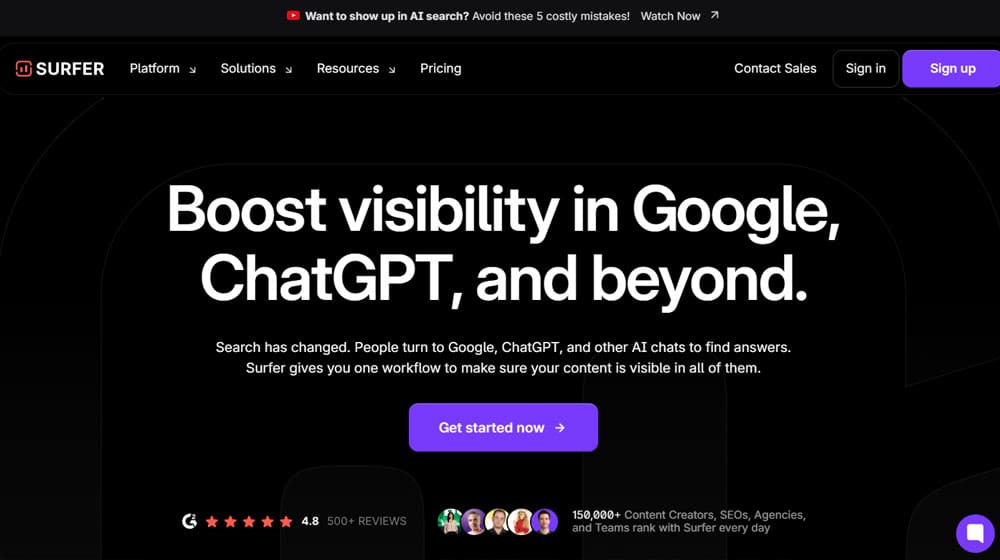
The key differentiator between SurferSEO and Clearscope is that SurferSEO has more marketing management features built in. Clearscope is meant to be a tool you use alongside your marketing efforts, while SurferSEO is meant to be the central hub. It has site-scanning and page improvement suggestion features, it has topic ideation and content creation, it has analytics and rank tracking, and even AISEO monitoring.
FeedHive
FeedHive is part of the next generation of social media management platforms. If you want to make use of social media, but you don't want to use a stodgy old tool or tab between half a dozen dashboards, FeedHive is for you.
FeedHive's most useful features are in content scheduling and messaging. They have a unified social inbox so you can see and engage with your followers directly from their platform. You can also easily and visually schedule and manage posts and campaigns across platforms.
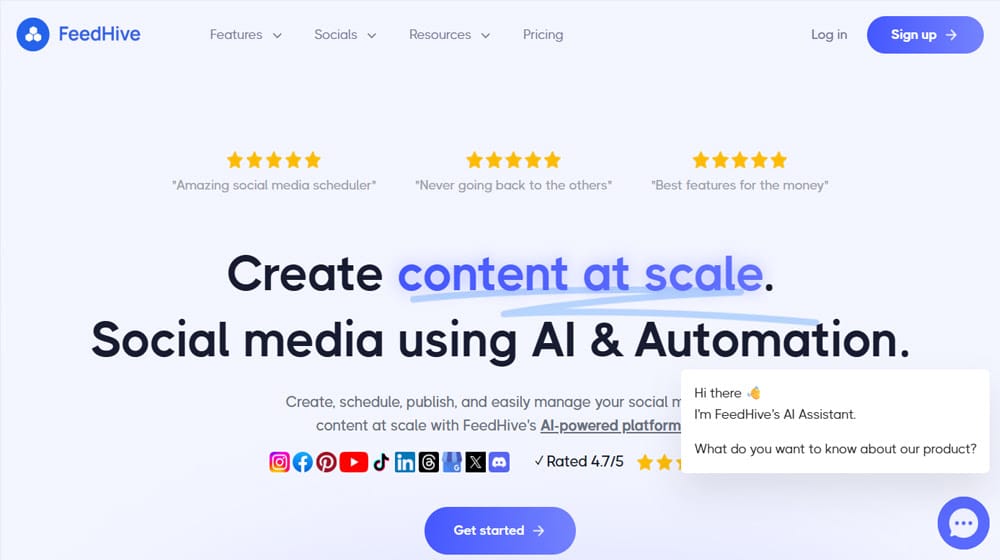
AI comes in with automation in particular, with remixing and reposting content for maximum engagement. It doesn't quite go as far as the AI-generated slop you see in Facebook Ads all over these days, but it keeps it closer to tame for brands who want more visible legitimacy.
Zapier
Zapier is a powerful automation engine that takes API connections from two or more apps and creates the intermediate actions necessary to perform seamless actions between them. There are thousands of templates for connections between hundreds of apps and tools, including many AI tools and APIs themselves.
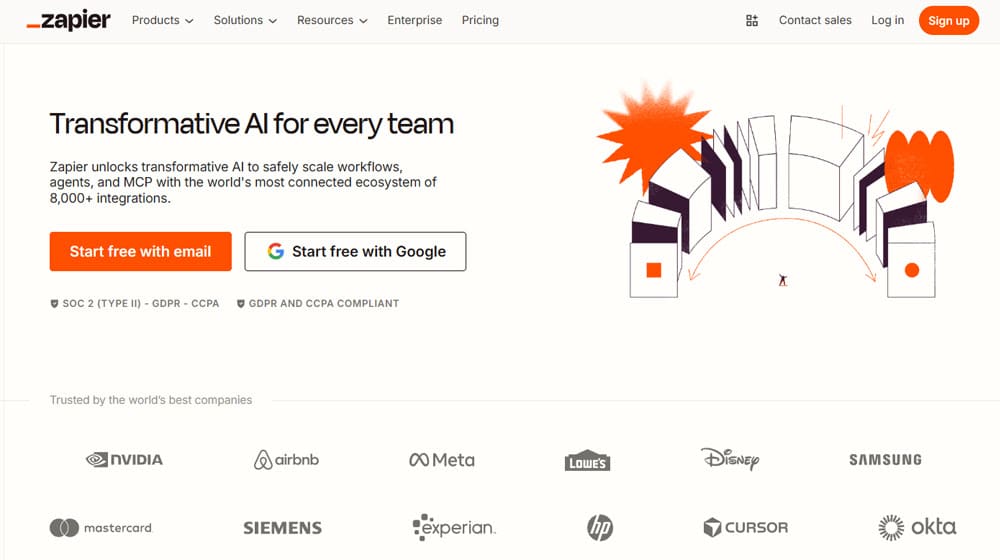
You can also use some of Zapier's AI tools natively to help with your automations and workflows. If you want, you can build an entire AI chatbot basically just within Zapier. Alternatively, you can get a ton of use out of Zapier without even really engaging with the AI aspects of it, so it's really just an evergreen, valuable app.
Shortwave
Shortwave is an email tool. It's basically an AI-driven search and task engine for busy email inboxes. If you're the kind of person who spends half their day reading new emails and combing through old ones, this can be a great tool for you.
Think of it like Gmail labels or Outlook rules, on steroids. You can type in a simple, plain language instruction, like "find all emails with invoices from 2025", and it will give you the full list of emails that fit that bill. It can also synthesize information from long email chains and help you extract the meaningful points.
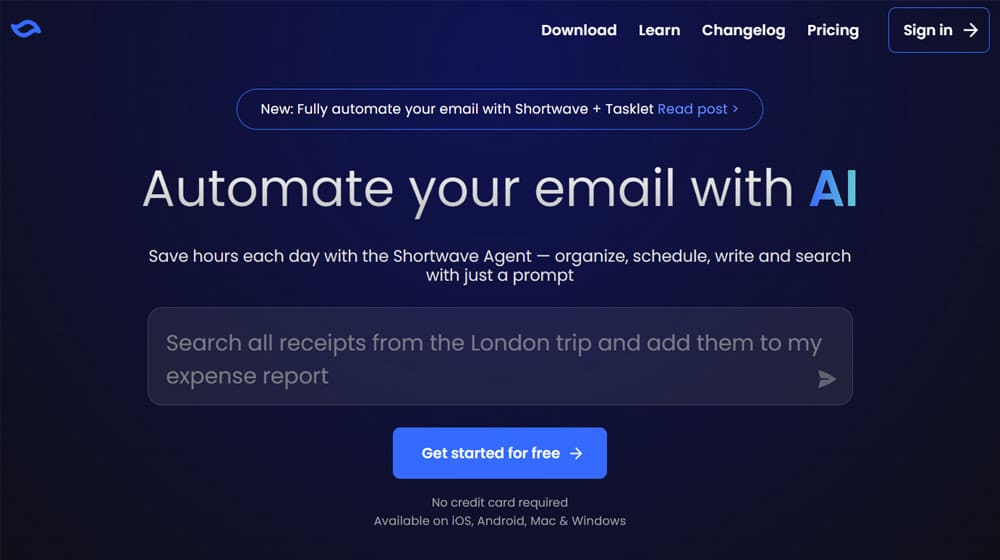
I don't think it's a very useful tool if you only have a few emails a day, but if you're frequently juggling clients, customers, contacts, outreach, invoicing, and a hundred other email-based tasks, it's a great tool to try.
Adobe Photoshop
A surprising addition to this list? Maybe not. Adobe has been leaning in the direction of AI for a long time, and some of its early efforts, like content-aware fill, could be considered the precursors to image generation. Adobe also owns a vast library of stock images and assets that they can use to train their own image AI with relatively fewer ethical concerns.
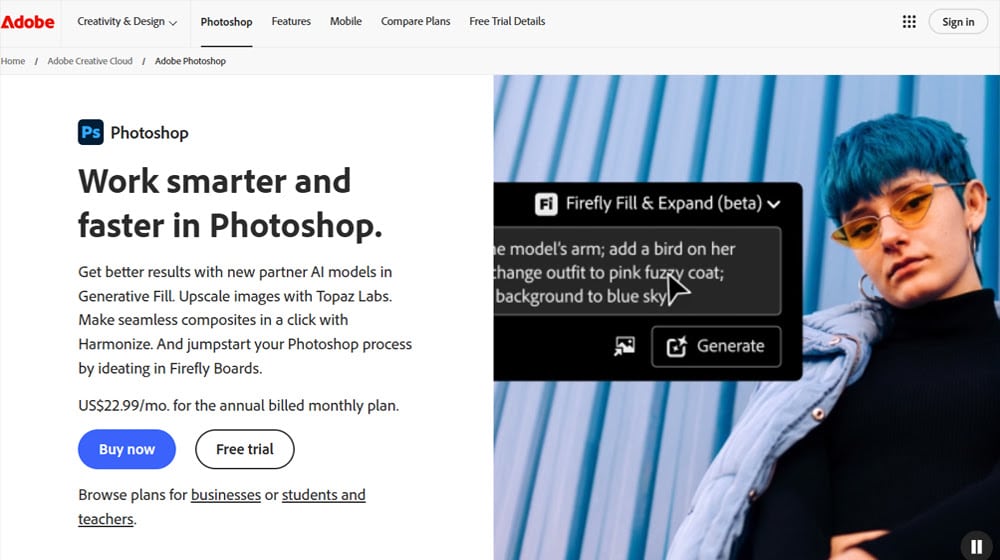
While Photoshop isn't an all-AI tool, some of the AI features it offers can be quite compelling, especially for graphic designers who don't necessarily want to go all-in on AI generation through ChatGPT, Nano Banana, or Dall-E.
Wrike
Wrike is a workflow optimizer with AI agents to handle tasks for you. It's not customer-facing agents (just about any customer chat app will do that now), but more of a copilot-style assistant. But, since it's more focused on business tasks rather than Microsoft's attempt at Copilot being the Everything AI, it tends to have better, if narrower, results.
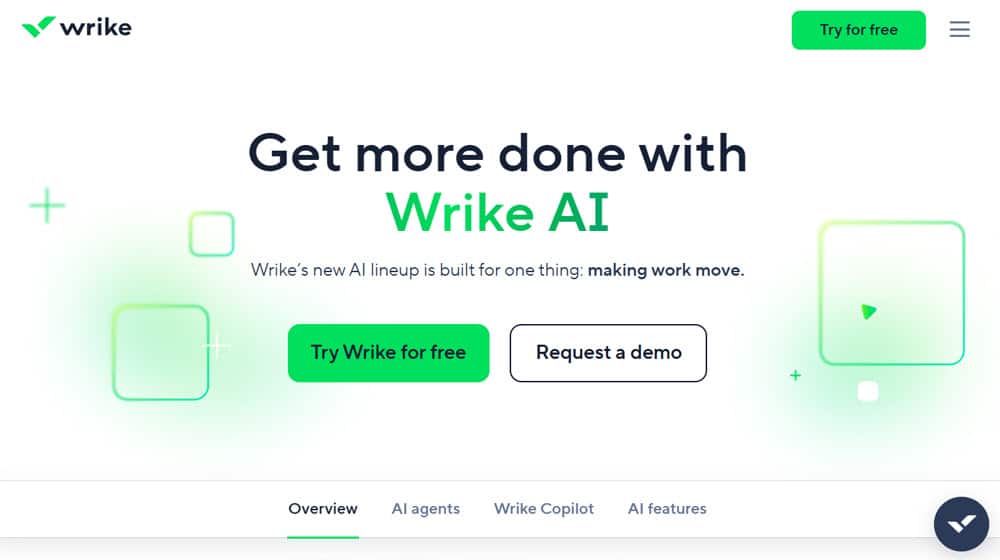
Of course, if you have and use any of the other agentic AIs and like them, you can feed them into Wrike directly to combine Wrike's features with the underlying agents. Overall, Wrike is basically a big pile of AI optimizations for the tedious, busywork tasks you can't not do, but don't want to do.
Octane11
One area where AI can really shine is in analytics, and that's what Octane11 is all about. In particular, Octane11 is a unified business analytics platform. It pulls in data from a range of different sources, including marketing analytics, sales data, finance data, and social network information.
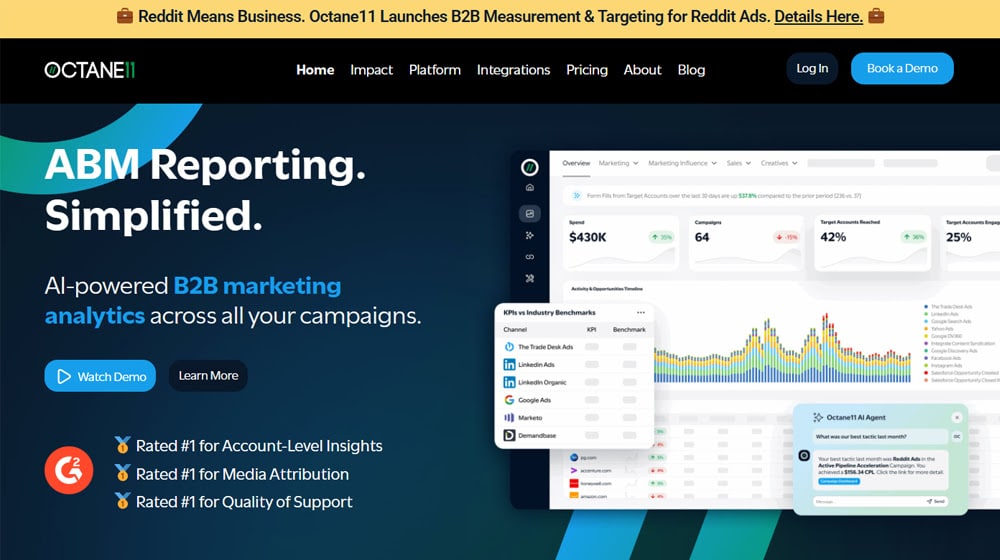
From there, it creates a variety of powerful and high-utility dashboards showing you various derived metrics and actionable intelligence. It can help you trace customer paths through your sales funnel, identify areas where your marketing efforts won (or lost), and give you methods to replicate the success you find.
Beehiiv
Beehiiv is a modern take on the classic email and newsletter management platform. It has all of the email management features you'd expect, but also a lot of useful features you wouldn't think about, but once you experience them, you won't be able to give up.
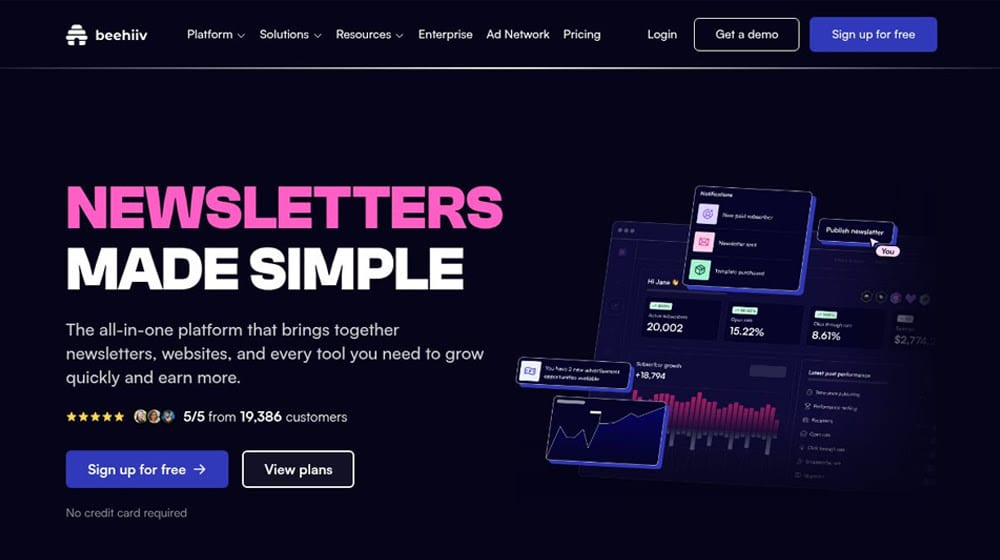
In particular, Beehiiv offers a bunch of automatic and AI-driven email segmentation, testing, and optimization. Growth-focused features are the name of the game, with data-based insights and choices to help you push conversions as much as is reasonable without alienating your audience.
You can also use Beehiiv to host a blog, sort of like a Substack-style site. I wrote about that in greater detail here, so check it out.
Indexly
Indexly is a fairly simple AI-powered tool that nevertheless does a lot of small tasks that would be tedious if you had to do them manually. Primarily, it's focused on scanning your site to check for anything that makes it better, or worse, for AI overview and AI visibility.
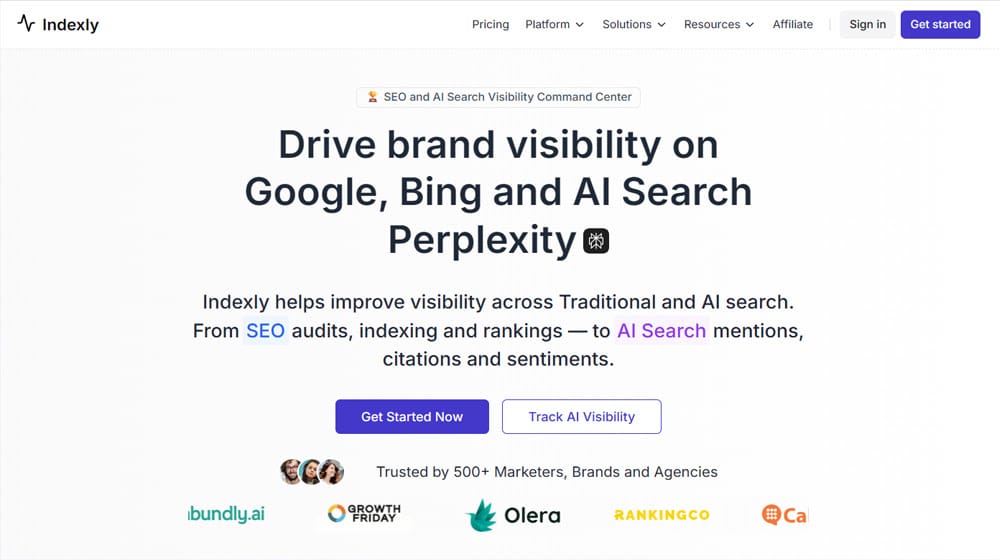
If you want to get referral traffic from ChatGPT answers, Perplexity results, or Google's AI Overview citations, Indexly is a good tool to run.
Puntt
Puntt is a tool that most people reading this won't need or get any use out of. But those of you who do might find it a godsend.
What is it? It's a compliance tool. When you operate in an industry that is heavy on regulations, you know that getting letters from agencies like the FDA can have very stiff consequences, and you have to be very careful to watch the things you say and do.
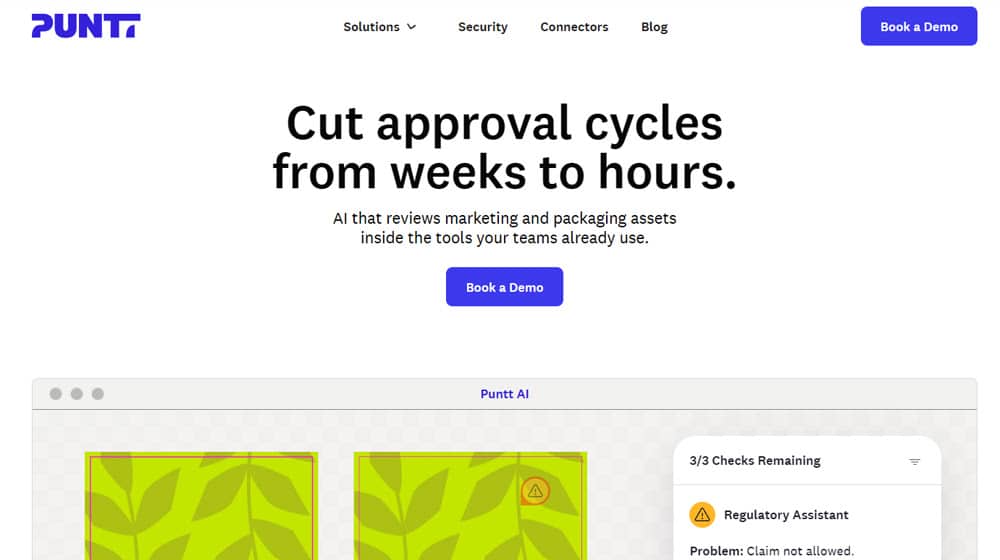
Puntt is basically an AI-driven review tool that goes over your marketing and assets before you start using them, and flags anything that could be a compliance issue, from language the agencies might find misleading, to improperly used trademarks, and more.
Ahrefs
Ahrefs is one of my favorite marketing tools of all time. Immense amounts of data, decades of experience in developing hyper-useful tools, and a near-endless pile of useful metrics? What's not to love?
Ahrefs has branded itself as an "AI Marketing Platform" these days, but frankly, this is one of those smoke-and-mirrors rebrands that isn't AI the way most people think of it. Yes, they have some AI tools, including some generative tools. The majority of it is their machine learning analytics and other proto-AI features, given the spit-shine for the new hotness in marketing buzzwords.
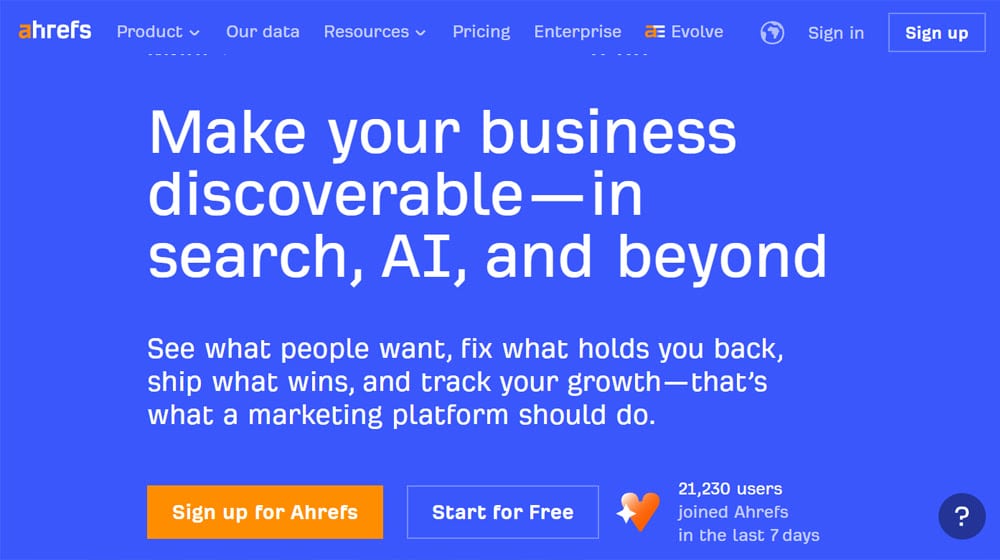
Seriously, though, if you pick just one tool on this list to use, make it Ahrefs. It's just that good.
Other AI Tools to Consider
If I listed every decent to good tool out there with AI components, we'd be here all day. I figured I'd dedicate a section to some of the tools you can consider using, but which aren't necessarily better than something else on the list, or are comparable.
Semrush. This is your big Ahrefs competitor. They don't have quite as much Big Data or as much accuracy, and they use more AI, but they're still a good, reliable platform for marketing data.
MarketMuse. A competitor to the likes of Clearscope, honestly, I've seen them used so often in the same breath that they almost blend together.
Buffer. I loved Buffer back in the day, but as social media started to fall off for some industries, so too did Buffer. It's still good, but the nature of social media has meant it's a little less useful now than it was.
Hootsuite. The owl platform has changed a lot over the years, and has settled into its current form as a real-time analytics and social analysis app that works pretty well, if you're big into social. If you're not, it's of limited utility.
There are, of course, all the big-name AI tools and generative apps as well. But, you don't need me to tell you that ChatGPT, Claude, Copilot, or Perplexity exist, right? I figure, if you're here looking for a list of AI tools, you're looking for something that isn't going to be in the top five when you type "AI tools" into Google.
I've also somewhat shied away from tools whose primary focus is on generative content. Yes, you can use Jasper to write blog posts or Synthesia to create videos or whatever. Personally, I think the tech is still not really good enough, and the human touch for content creation is too powerful to ignore. Regular people don't trust AI-generated content, so marketers shouldn't either.
So, use AI tools for what computers are good at, like data analysis, and leave the creativity to creative people.

Written by James Parsons
Hi, I'm James Parsons! I founded Content Powered, a content marketing agency where I partner with businesses to help them grow through strategic content. With nearly twenty years of SEO and content marketing experience, I've had the joy of helping companies connect with their audiences in meaningful ways. I started my journey by building and growing several successful eCommerce companies solely through content marketing, and I love to share what I've learned along the way. You'll find my thoughts and insights in publications like Search Engine Watch, Search Engine Journal, Forbes, Entrepreneur, and Inc, among others. I've been fortunate to work with wonderful clients ranging from growing businesses to Fortune 500 companies like eBay and Expedia, and helping them shape their content strategies. My focus is on creating optimized content that resonates and converts. I'd love to connect – the best way to contact me is by scheduling a call or by email.






Comments