

15 Alternatives to Press Release Services That Actually Work
Written by 
Marketing is a tricky subject, and thousands of companies will happily assist you in handling it for you. The trouble is, there are plenty of companies that will happily take your money for a service that doesn't do much of anything for you.
Press releases are one of those kinds of services.
Press releases are a time-honored form of advertising, and they work in certain narrow situations. For example, they're ideal for a major company trying to get the news out about something new. They might even be suitable for a mid-range company looking to enter a new market.
They're not fit for a small business looking to do fundamental marketing.
Unfortunately, many marketing services offer press release marketing, and they make it sound appealing. Get your press release on dozens of high-DA press release aggregators! Get mentions from journalists! Get syndicated on USA Today!
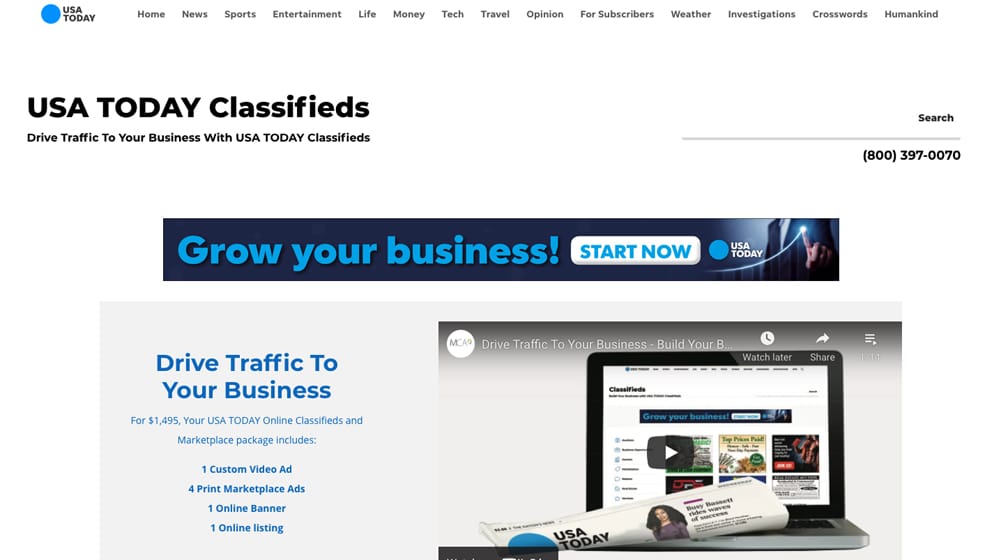
A similar quirk hurts you with things like USA Today. When these companies talk to you about USA Today, you picture placement on the front page. Instead, what you'll receive is a listing in their classifieds section, which is way worse. The links you get are "nofollowed," stripping them of any authority. The mentions you get are on out-of-the-way sub-sub-subpages, and the value you get out of it is negligible.
It's the same story, almost no matter what you do with press releases. Unless you're a nationally recognized brand, press releases aren't for you, almost universally. Oh, a few small businesses can pull it off. Still, they're generally in fast-moving and high-churn niches like cryptocurrency IPOs that only get syndication on a network of crypto-blogs.
I highly recommend that you don't invest much time or money into press release marketing. You can still learn how to write a press release, and you can still manually submit it to various aggregators, journalists, and news sites. Still, I recommend staying away from paying some company thousands of dollars to do that for you.
Instead, try out some or all of these 15 alternatives. They all focus on getting the word out in a quick, broad-spectrum fashion (so no "grow a blog" on the list), but they work better, faster, and more effectively than press releases, particularly for small businesses.
Key Takeaways
- Press release services rarely deliver real value; links are often nofollowed and placements buried in low-traffic classified sections.
- Direct journalist outreach, HARO connections, and personalized hype kits outperform generic press releases for earning media coverage.
- Social media campaigns give businesses direct access to millions of people, making them more effective than traditional press releases.
- Livestreams, video announcements, and hyped landing pages build excitement and engagement faster than press releases for small businesses.
- Creating exceptional "100x content" around your announcement can generate significant attention without paid press release distribution services.
1. Livestream Events
Livestreams are a great modern way to get the news out about anything your business wants to promote. Virtually every platform has some manner of Livestream now; Instagram offers Stories, Facebook has Facebook Live, YouTube does streaming, Twitch exists, and then you have a whole range of business-level streaming services, like Periscope. Of course, you'll need to do some work to promote your Livestream amongst the relevant audiences, and if it's a significant announcement, build hype towards it to get more coverage, but it's a great option.
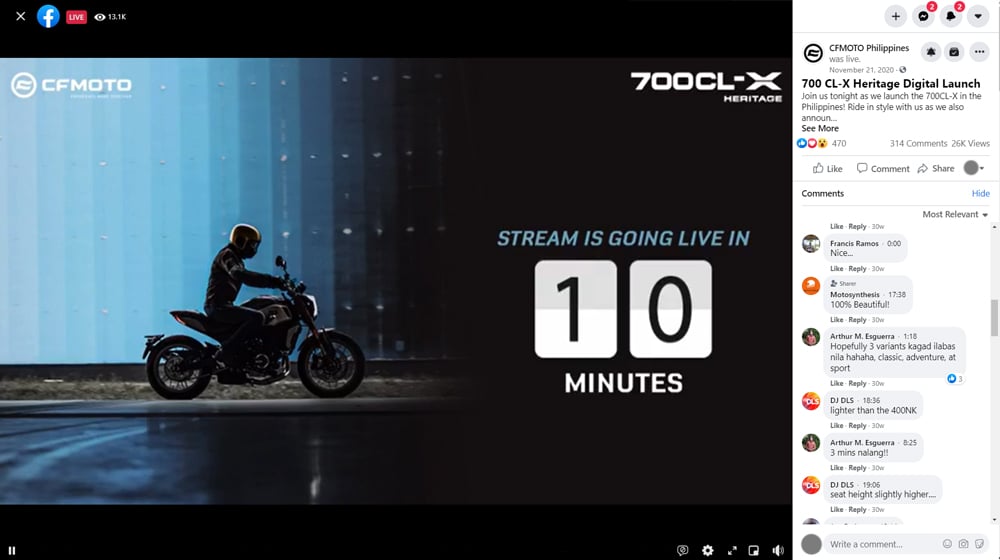
Plus, the trick with business-level live streams is they don't necessarily have to be live. You can pre-record a video to play live at the designated time. You can still participate in chat live, but you don't need to worry about live interactions and engagement via video for something like an announcement. If you're sharing news or announcement content more broadly, tools like our Video Schema Generator can help ensure it's properly structured for search engines.
2. Video Announcements
You can upload video announcements on many of the same platforms as the live streaming services listed above. YouTube is the big one, but Facebook is also good. Twitter and Instagram both can host videos, and other video sites like Vimeo or DailyMotion can also be hosts. Plus, you can upload your "live" video after the announcement and let it live there for anyone who wants to scour it for details.
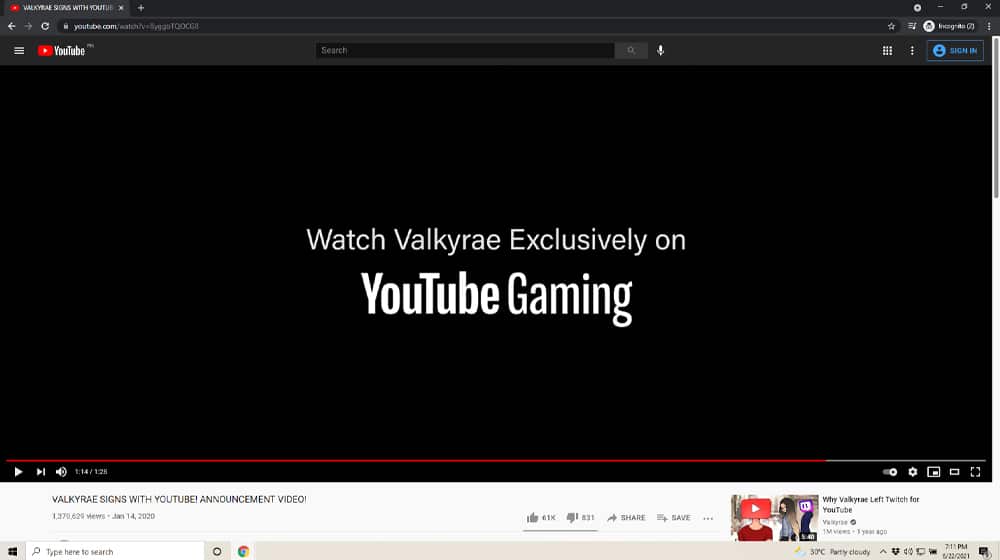
I recommend a multi-pronged approach. Use sites like Twitter and Instagram with short teaser videos to lead up to your live event. Host your live event on whatever relevant streaming platform you want to use. Then, upload the full video to standard video platforms like YouTube and Facebook. Later, you can post longer and more detailed trailers or detailed videos converted from your blog content.
3. Industry Show Attendance
Many industries have big trade shows at least a few times per year. Sign up to attend them. Build hype before them, and take advantage of relevant hashtags to promote a special announcement at the show. Then, when the show happens, present your report.
Attending industry shows can be tricky and occasionally expensive. Make sure you have an actual, substantial announcement to make. No "we're launching a blog" reports here; you want something with real relevance to your industry that is "newsworthy." Once the show wraps up, don't forget to consider ways to promote your content and extend its reach beyond the event itself.
4. Infographic Marketing
I have found infographics to be a powerful technique in marketing over the last couple of years. They're a great way to repurpose blog posts, but they're also powerful options for promoting something fresh and new. Plus, there are a ton of places you can share your infographics.
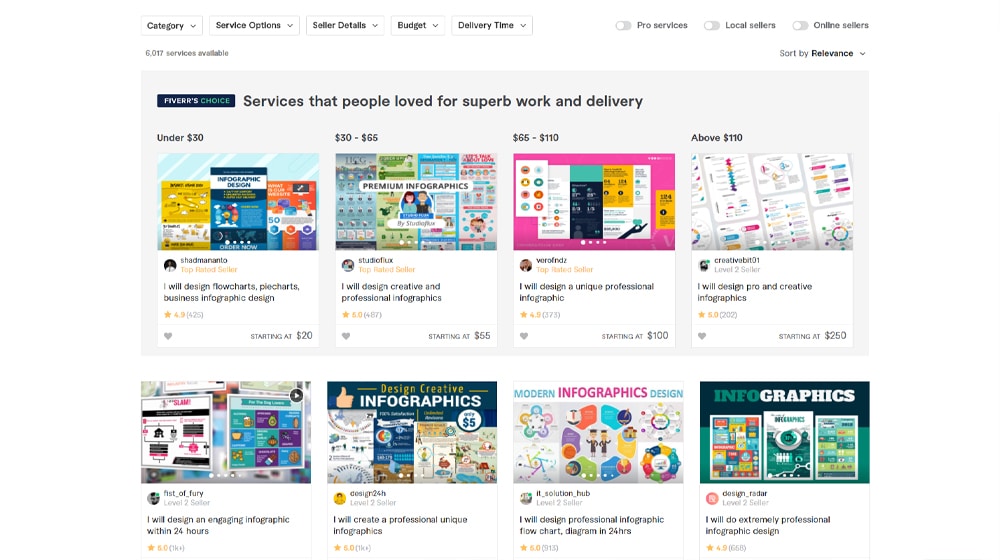
You get many of the advantages people think press releases have, but with a more visible, shareable piece of content. Overall, it's a powerful option, so long as you're willing to invest in the creation of an infographic. Unfortunately, they can be surprisingly expensive to do well, and you want to do it well if you're using them as an effective means to promote yourself. You can see an example of an infographic by taking a look at one of ours. If you're also evaluating which existing content is worth keeping or cutting, our guide on whether infographic links still help can help you make those decisions.
Press releases are, to an extent, a relic of a previous age. They existed for a business to reach out to the press - the media, newspapers, magazines, and the like - to reach regular people through them. Back before the internet, when the only way to get people was through direct mail or publications like newspapers, press releases were the best way to go about it.

These days, you know what the best way to reach people is? Social media! Between Facebook, Twitter, Instagram, Pinterest, LinkedIn, and other sites, you have direct access to millions of people. Sure, you might have to pay a good chunk of change to promote a post to a broader audience, but you can, and it's much easier and more effective than press releases. If you're curious about the average cost of social media advertising, it varies quite a bit depending on the platform and your goals.
6. HARO Connections
The point of a press release was, generally, to reach the press and let the press do the work of promoting you through their coverage. But, these days, there are better ways to get the media's attention than simply throwing a bland press release in their direction.
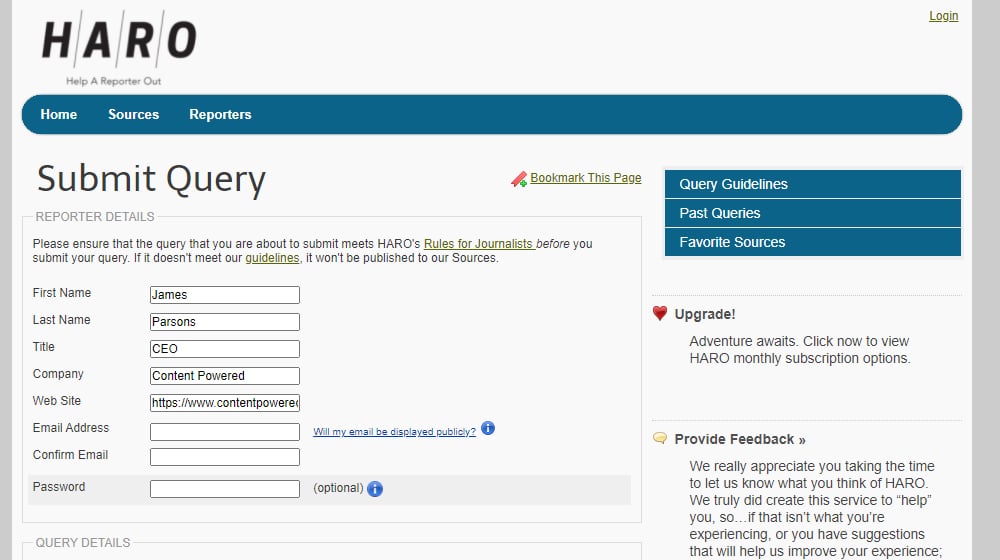
One of the best I've made use of is HARO - Help A Reporter Out. HARO is a networking site for reporters and business owners. Reporters have stories they're working on, and they want quotes, interviews, or information from business owners. So they upload the topic of their query, and you submit a pitch. If you craft your pitch well, you can get coverage quickly and easily. Pairing this kind of outreach with the best HARO alternatives can help you refine your pitches and identify the right opportunities faster.
7. Guest Posting
The best way to announce something new is to get coverage in the places where people are looking for information. The chances are that this includes the blogs of other businesses in your industry. Thus, guest posting on those sites is an excellent way to work in mentions, talk about topics relevant to your announcement, and generally get informational coverage.
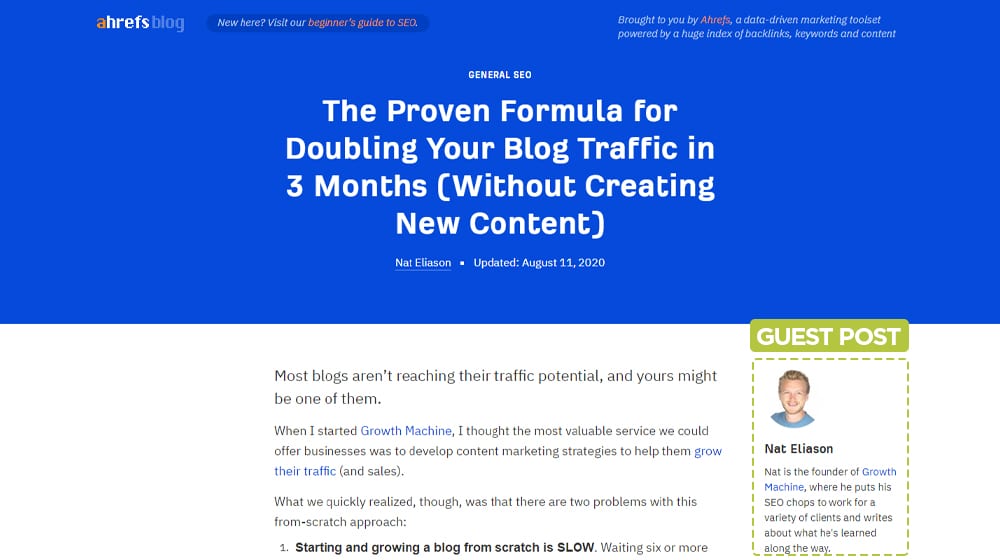
The best part is (since you don't necessarily care about a link, just the announcement) many sites will be happy to accommodate you. Try working in your statement into your author bio, write content relevant to your announcement topic, and you're good to go.
You should be wary of the many fake "blogger outreach" and PBN guest posting companies out there. I wrote a great guide on why people email you to guest blog here.
8. Hyped-Up Landing Pages
I always recommend using a landing page as a hub for building excitement. How often have you seen companies create landing pages with a few scarce details, a countdown, and an opt-in email form? These are popular because they're incredibly effective. Anyone even slightly interested will not only sign up for notifications but will camp out the site until the countdown ends.
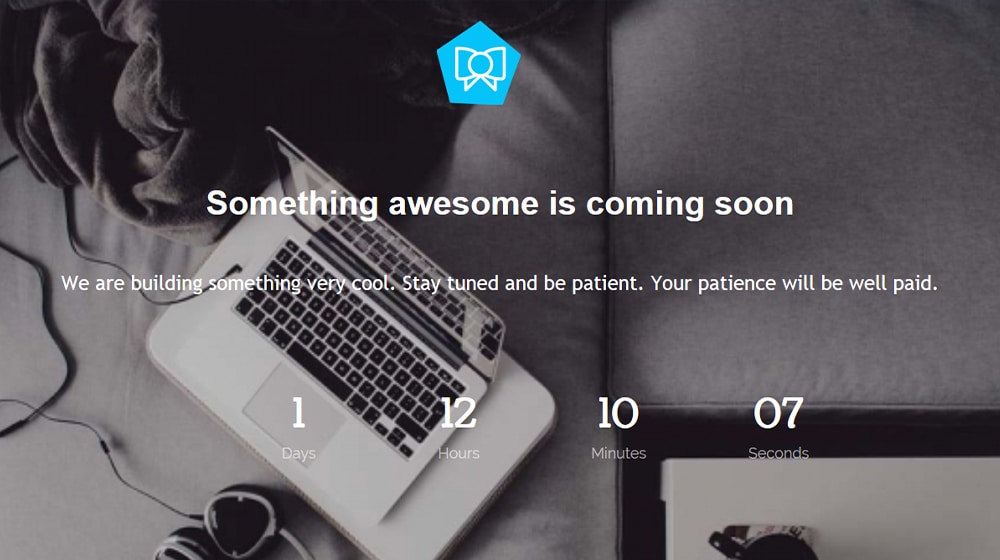
Just make sure you protect yourself against the tricks and the failures inherent in this method. Ensure your site doesn't have hidden information because script blockers and code inspections can reveal it if you just made it invisible. Likewise, make sure when the countdown ends, you have something ready to go. Nothing is worse than when your visitors end up with a whole lot of nothing after the countdown ends. If you want to maximize conversions, it's also worth reviewing common reasons visitors aren't clicking your CTA so you can address them before launch.
One of the core marketing strategies every single business should be using is a newsletter. If you're not building up a newsletter, you're missing out on a vast source of value independent of the platforms you use to host and promote yourself.
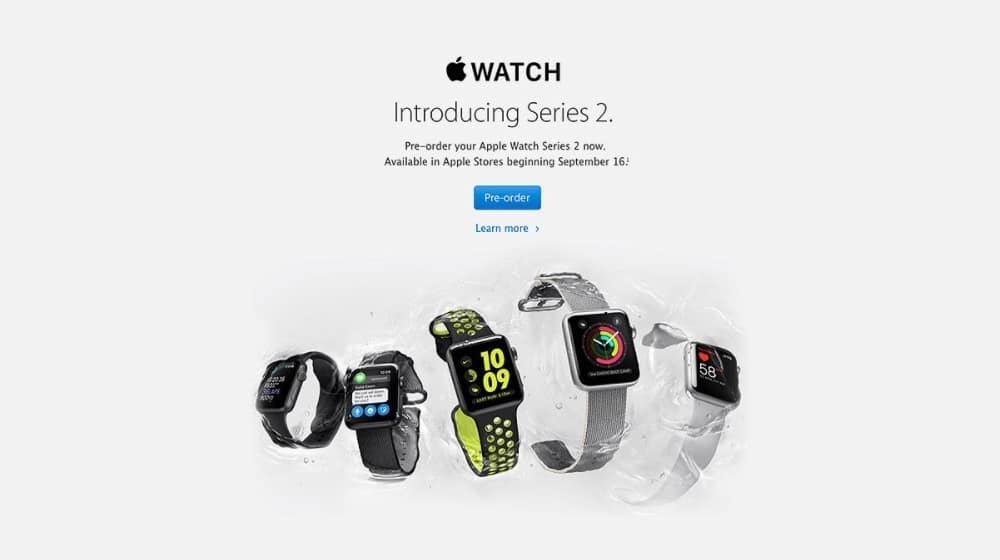
It's one of the best resources every business has, so leverage it for your new announcement. Format your "press release" as a newsletter, change the subject line so that it stands out from your usual messaging, and send it out to your subscribers. There's no better way to connect with the people who are most interested in you already. If you're looking for additional ways to get your message out, consider exploring press release submission sites to broaden your reach beyond your existing audience.
10. Hype Kits for Reporters
Another technique you might leverage is building a hype kit you can send to certain specific reporters.
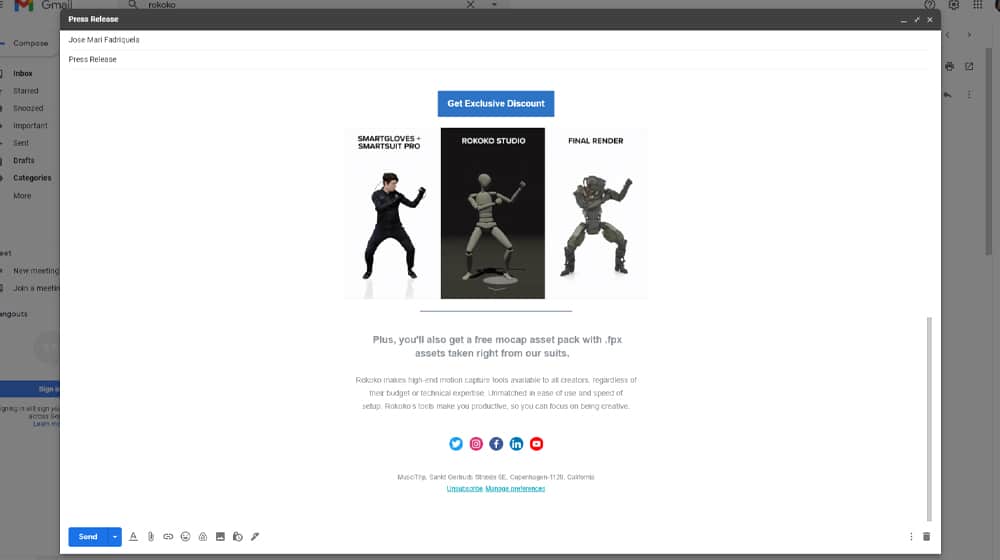
Here are some tips:
- Identify the reporters most likely to be interested in covering your new release.
- Create a kit you can mail to them. Good media kit examples should include a press release and goodies like merchandise, a preview sample, or something they can use to give their readers value, like free trial codes.
- Send out this kit to the most relevant reporters, journalists, and influencers in your niche. You can use a tool like JustReachOut to find and contact them.
You can read more on how to build a hype kit here:
11. Twitter Chats
A Twitter chat is a discussion on Twitter centered around a specific topic, using a particular hashtag, and most importantly, is scheduled to take place during an appropriate time. It's as close to a live chatroom as you can get in a large public venue like Twitter.
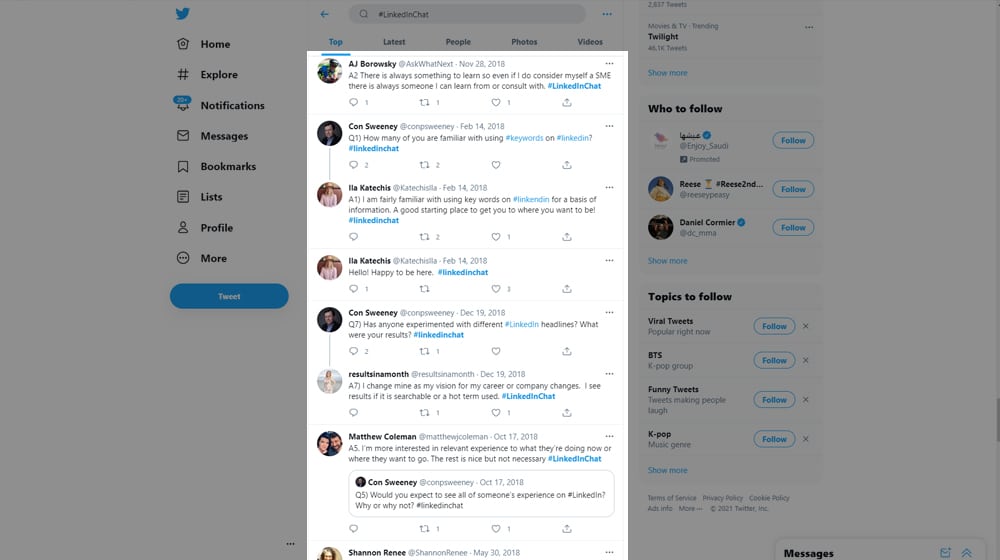
They're efficient for interacting with and engaging with everyone from the top influencers to the engaged fans in your industry. Find or host a Twitter chat relevant to your announcement. Just be sure to watch out for red flags in any SEO or content agency agreements you sign along the way.
12. Traditional Media Announcement
Press releases are a relic of past media, but not all media formats are as dead as they are. Traditional media announcements can still be valuable if you do them right. Direct mailers, television ads, radio ads, and even signage and billboards can work if you have the budget for them.
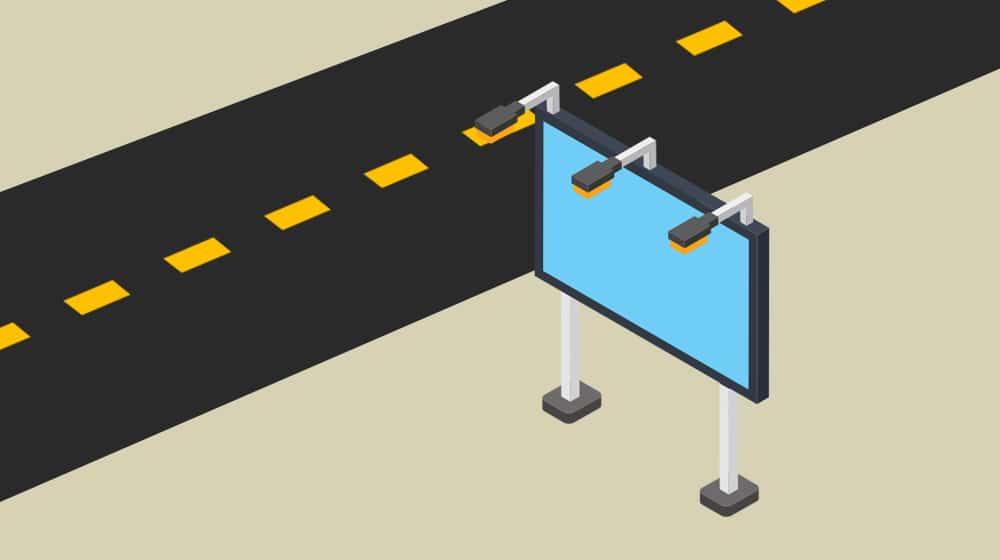
The biggest issue with these kinds of announcements is the lack of targeting; all you can do is choose a geographic area and, potentially, a media channel for brand awareness. Other than that, you're broad-spectrum targeting a generally cold audience in that area. This technique can be helpful for awareness and curiosity but isn't great for reaching engaged fans through direct marketing.
13. 100x Content
Yes, I said to avoid boring "we're launching a blog" press releases, but this one is special. You've heard of 10x content (also known as pillar content), which are articles that are 10x better than the competition in a given niche. It's an advanced blogging strategy. What if you want to do something extraordinary, though?
Identify the core concept of your announcement, and then create content for that concept. Specifically, make the most significant, best piece of content possible. It's not 10x better than the competition; it's 100x better. It blows similar articles out of the water. The sheer scope, value, and promotion of that content (which will, naturally, include your calls to action) will draw in a ton of value for you. You can use a Content Optimization Scorer to help ensure your piece is as strong as possible before publishing.
14. Contact Relevant Journalists Directly
Journalists are people. Sometimes we business owners forget that. The truth is, they often are receptive to simple communication. Unfortunately, people tend to treat them as if they're on an ivory tower, out of reach, but as often as not, they're available to talk.
For example, I sent an email to Arianna Huffington a few years ago, and guess what? She responded, and that's how I started writing for HuffPost.
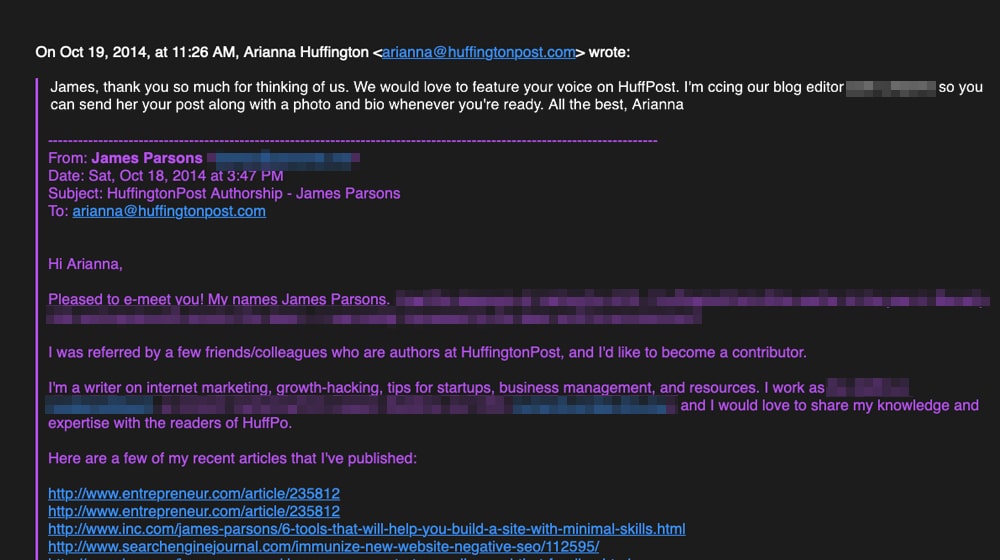
You can reach out to them on Twitter or other channels. Try sending an email to them, or otherwise, reach out and say hi.
Part of why press releases suck is that they're so impersonal and broad-spectrum they don't respect anyone's time or influence. What you need to do is respect the time of these journalists and the readers. When you target specific influencers and journalists directly, respect their time and their position. You'll get much more attention - a little appreciation goes a long way.
15. Develop a Press Kit
The core component of any new announcement is a press kit. A press release should point to a press kit, as should your other channels. A good press kit doesn't take a ton of effort to build, but you need to make one, maintain it, and have it available upon request. If you need inspiration, check out these blog media press kit examples and templates to get started.

There you have it; many options are more valuable and more effective than press releases. Give them a try, and let me know how they work out for you!

Written by James Parsons
Hi, I'm James Parsons! I founded Content Powered, a content marketing agency where I partner with businesses to help them grow through strategic content. With nearly twenty years of SEO and content marketing experience, I've had the joy of helping companies connect with their audiences in meaningful ways. I started my journey by building and growing several successful eCommerce companies solely through content marketing, and I love to share what I've learned along the way. You'll find my thoughts and insights in publications like Search Engine Watch, Search Engine Journal, Forbes, Entrepreneur, and Inc, among others. I've been fortunate to work with wonderful clients ranging from growing businesses to Fortune 500 companies like eBay and Expedia, and helping them shape their content strategies. My focus is on creating optimized content that resonates and converts. I'd love to connect – the best way to contact me is by scheduling a call or by email.






February 16, 2022
Will definitely try some of these next time!
February 21, 2022
Thanks, Georgia!
February 24, 2022
These are great ideas. Thanks for sharing!
February 25, 2022
Thanks Ben!